Influencer Box Ideas & Inspiration for Brands
Scroll through Instagram, TikTok, or YouTube and you will still see one format stopping thumbs in their tracks: the unboxing.
Influencer gift and PR boxes continue to work because they turn a product launch into an experience and give creators something tangible, visual, and story-worthy to share. And for brands, they’re a strategic way to introduce products, build credibility, spark organic content, and create moments that feel personal rather than promotional.
What Are Influencer Boxes?
Influencer boxes, often called PR boxes or influencer gift boxes, are curated packages sent to content creators, media partners, brand ambassadors, or other influencers in a target audience. The goal is to introduce a product or brand in a way that feels intentional, premium, and easy to share.
Unlike sending a free sample in a padded mailer, influencer boxes are designed with presentation in mind. They usually include branded packaging, printed inserts, and a thoughtful layout that guides the unboxing experience from the moment the box is opened.
You will see influencer boxes used for product launches, seasonal campaigns, partnerships, event invitations, and long-term ambassador programs. What they all have in common is this: They give creators a clear story and a visual moment to capture on camera.
Types of Influencer Boxes
The best-performing influencer PR kits feel like they were built for a specific moment and a specific creator. A launch box meant to spark first impressions will look different from a VIP invite kit meant to drive attendance, and both will differ from a scaled seeding program built to reach dozens or hundreds of creators.
When the box type matches the goal, everything gets easier. The contents feel cohesive, the inserts feel relevant, and creators can tell what you want them to do with what you sent.
Product Launch PR Boxes
Product launch boxes introduce something new and set the tone for how the market talks about it. The focus typically stays on one hero product, often supported by a few complementary items that make the product easier to try, style, or understand.
Launch boxes work best when the unboxing builds anticipation and then gets to the point fast. A clean insert card that explains the product in plain language, plus a camera-friendly layout, helps creators capture the story in a single take.
Printing plays a big role here. Crisp color, premium finishes, and consistent branding cues can make the launch feel bigger than the box itself.
Ambassador or Onboarding Boxes
Ambassador boxes welcome creators into an ongoing relationship. Instead of aiming for a single post, these kits help creators understand the brand, the product lineup, and the expectations that come with a longer-term partnership. They often include brand guidelines, FAQs, multiple products, and materials that help the creator represent the brand over time. They may also include practical assets like a content calendar suggestion, key talking points, or a short “how we work together” card.
Because these programs repeat, consistency is important. Working with a printer who can keep packaging and inserts uniform from one shipment to the next helps the program feel professional as it scales.
Seasonal or Holiday Gift Boxes
Seasonal boxes tap into timely moments like holidays, summer launches, back-to-school, or industry-specific seasons. They work because creators are already planning content around these themes, so the box fits naturally into what they are already posting.
The design, color palette, and inserts often reflect the season, making the content feel relevant and current. These boxes also create an easy reason to share because the hook is built in: a holiday drop, a seasonal routine, or a limited bundle.
A strong seasonal kit usually includes one or two themed details that photograph well, such as a custom sleeve, patterned tissue, or a textured finish that adds depth on video.
Brand Collaboration Boxes
Collaboration boxes feature two or more brands working together, which can create instant novelty and a broader audience reach. These boxes lean heavily on co-branding and shared storytelling, which helps both brands reach new audiences while reinforcing credibility.
The challenge is that the PR kit has to feel intentional rather than like two products tossed into the same shipment. One simple way to do so is to build them around a shared theme or use case, then explain that connection clearly in the inserts.
From a production perspective, co-branded printing needs extra attention to detail. Matching colors, balancing logos, and keeping the layout clean prevents the box from feeling visually crowded.
Event or VIP Invite Boxes
Some influencer boxes act as invitations rather than product kits. Here, the goal is to create a moment that feels exclusive and makes the recipient want to share the invite before the event even happens. These boxes might include a printed invite, event details, branded merchandise, or a small teaser item to build excitement ahead of time. The best VIP kits also reduce friction by making it easy to RSVP, save the date, or access event logistics through a QR code.
This is one category where print details really show. Thick stock, clean typography, and a premium box structure can make the invite feel like a true VIP experience instead of a mass mailer.
Micro-Influencer Seeding Kits
Seeding kits are designed for scale. They are often sent to dozens or hundreds of micro-influencers to generate widespread awareness, a library of user-generated content (UGC), and early feedback.
These kits usually feature lighter packaging, fewer items, and streamlined inserts, making them ideal for reaching a larger group of creators while keeping production efficient. A simple, repeatable unboxing layout can still feel premium when the branding and printing are crisp.
Because these boxes ship in higher volume, production quality and durability matter a lot. The right box style, insert fit, and print consistency reduce the risk of damaged presentations and help every recipient get the same experience.
Why Brands Send Influencer Boxes
When the unboxing experience is well-planned and the packaging looks premium on camera, these influencer PR kits can drive awareness, content, trust, and measurable action.
Earned Attention & Social Proof
Influencer boxes put your product in the hands of people audiences already pay attention to, which helps your brand borrow credibility without forcing a hard sell. When creators share an unboxing or first impression, the content often feels more authentic than traditional ads because it is rooted in a real experience.
Content You Can Repurpose Across Channels
A strong box creates content opportunities on day one and keeps paying off afterward. With the right permissions, brands can turn influencer unboxings and reactions into a library of creative UGC for paid social, email, landing pages, and product pages, which shortens the time it takes to build high-performing assets.
Faster Product Understanding & Better First Impressions
Creators post better content when they understand what they are holding and how to use it. Clear inserts, quick-start guides, instructions, and a thoughtful unboxing flow reduce confusion and help creators communicate benefits accurately, leading to stronger first impressions for the audience watching.
Stronger Creator Relationships
A well-executed influencer box signals that the brand values the partnership, not just the post. Thoughtful presentation and a personal touch can turn a one-time gift into an ongoing relationship, which often leads to more consistent content and smoother collaboration over time.
Measurable Impact Beyond Likes
Influencer boxes can tie directly to trackable outcomes when you include simple measurement tools like QR codes, unique links, or promo codes. Beyond engagement, brands can evaluate traffic, conversions, code redemptions, and audience sentiment to understand what content and creators are driving the best results.
Key Components: What Goes Inside an Influencer Box
A successful influencer box feels curated, not crowded. Every item should have a purpose.
The Core Product
Start with one main product. The product is the star of the box and the focus of the content you want creators to share. Supporting products or samples can add context, but too many items can dilute the message.
Unique Branded Packaging & Presentation
The box itself becomes the stage for the unboxing. Custom printed boxes, insert trays, tissue paper, and seals all contribute to how the experience looks on camera. Finishes like embossing, foil, or spot gloss can add texture and depth when used thoughtfully.
A Clear Brand Story
Printed insert cards help tell the story behind the product. They’re where you explain why it exists, who it is for, and what makes it worth talking about. Short, scannable copy works best here.
How-To or Quick Start Guide
Creators should know exactly how to use the product and what to expect. A simple guide removes friction and leads to better content and more accurate reviews.
Content Prompts & Guidance
While creators value creative freedom, light guidance can help. Suggested angles, hashtags, and brand handles make it easier for them to tag and post without feeling scripted.
Call to Action (CTA) & Tracking
Many brands include QR codes, custom links, or unique discount codes in PR kits. These elements connect influencer content back to measurable outcomes like site visits or conversions.
Personal Touches
A handwritten note or personalized card can make a big difference. Even small details show creators that the brand put real thought into the box.
How to Create Influencer Boxes: 7 Steps for Campaign Success
The best influencer box campaigns are a mix of strategy and craft: the right creators, a clear story, and a physical experience that feels intentional from the shipping label to the final insert card. If you build the box like a mini brand moment, creators get everything they need to create content and audiences get a first impression that feels believable.
Follow these steps to get started.
Step 1: Define the Campaign Goal
Begin by deciding what success looks like before you design anything. Is the main objective awareness, content creation, traffic, trial, or direct revenue? Each goal leads to different choices. For example, awareness campaigns may prioritize visual impact and shareability, while conversion-focused sends may prioritize a stronger offer, a clear CTA, and easy tracking.
Once the goal is clear, pick a primary key performance indicator (KPI) and a few supporting metrics. That might be views and engagement for awareness or QR scans and code redemptions for conversion. A simple measurement plan keeps your team aligned and makes post-campaign learnings more useful.
Step 2: Choose the Right Creators
Creator fit matters more than follower count. Look for people whose audience matches your buyer profile and whose content style fits your product category. A creator who routinely does tutorials may be perfect for a product that needs a quick demo, while a creator known for aesthetic lifestyle content may be ideal for a visually-driven brand.
Micro-influencers can be a strong choice when you want higher engagement and a more personal tone, while larger creators can add reach and credibility, especially during launches. Many brands get the best results from a mix, then scale the approach that performs.
Step 3: Build the Unboxing Story
Think about the first five seconds after the box opens. What is the first thing the creator sees, and what do you want them to say out loud? That moment should be obvious and easy to capture. A clean layout with a clear hero product placement often outperforms a busy “everything at once” presentation.
Map the unboxing like a simple sequence: outer box, first reveal, hero product, supporting items, inserts, then CTA. Layering the experience can create natural beats for a video, which makes posting feel effortless.
Step 4: Design the Box & Inserts
Now, focus on the physical experience. Start with the basics: box style, size, and insert structure that fits the contents snugly. The goal is a presentation that looks premium and ships well. A box that arrives dented or disorganized can take attention away from the product and the story.
Working early with a high-quality printer pays off. A strong print partner can help you choose materials, validate the structure, recommend finishes that look great on camera, and keep colors consistent across runs. They can also spot issues before production, like designs that don’t fold cleanly, inserts that can’t hold weight, or finishes that won’t translate the way you expect.
For inserts, keep copy short and scannable. Use one card for the brand story, one for quick-start or usage, and one for the posting details if needed. If you try to put everything on one sheet, it often gets skipped.
Step 5: Plan Fulfillment & Timing
Great design still needs great logistics. Decide how you will collect shipping addresses and product preferences, then build a packing process that is repeatable. If you are sending items with size, shade, or flavor options, handle that selection early so you are not scrambling during packing.
Timing matters, too. Ship dates should align with campaign windows, launch dates, and creator posting patterns. Build in buffer for production and delivery, especially around holidays or major retail seasons. Protective packaging, insert trays, and snug fit help the box arrive looking like it did when it left your team’s hands.
Step 6: Add Measurement
If you want more than “we got some posts” out of your PR campaign, measurement and analytics have to be part of the box.
QR codes, unique links, and promo codes give you a clear path from content to action. For higher-volume seeding, a simple QR to a dedicated landing page can be enough. For smaller, higher-value sends, unique codes per creator can help with attribution.
Track what matters for your goal. Views and engagement show reach; clicks, scans, and sign-ups show intent; and sales and code redemptions show conversion. Combine these with qualitative feedback from creators to improve the next round.
Step 7: Follow Up
Follow-up is where many campaigns leave value on the table. A short note after delivery can confirm the box arrived, offer quick support, and gently highlight the easiest posting angle. Keep it helpful and low-pressure. Creators appreciate clarity more than repeated nudges.
If the creator posts, respond and thank them. If you want to reuse the content, request usage rights in a clear, friendly way.
Over time, consistent communication and thoughtful packaging build relationships that turn one-time sends into ongoing partnerships.
Unique & Stylish Influencer Box Examples
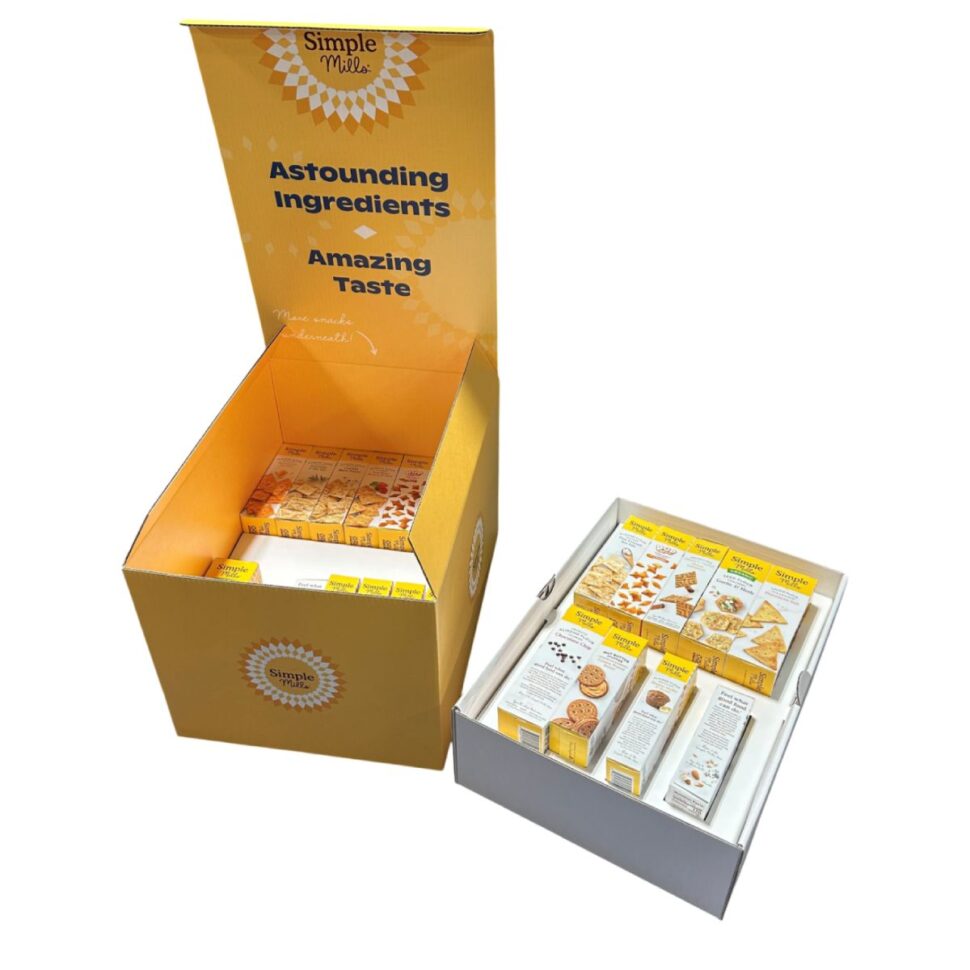
Seeing real influencer boxes makes it easier to spot what works: a clear unboxing flow, sturdy structure for shipping, and print details that make the brand pop on camera. Here are five standout influencer box projects from past customers that show different formats, insert approaches, structural choices, and standout designs that you can use as inspiration for your own campaign.
Bio.Me
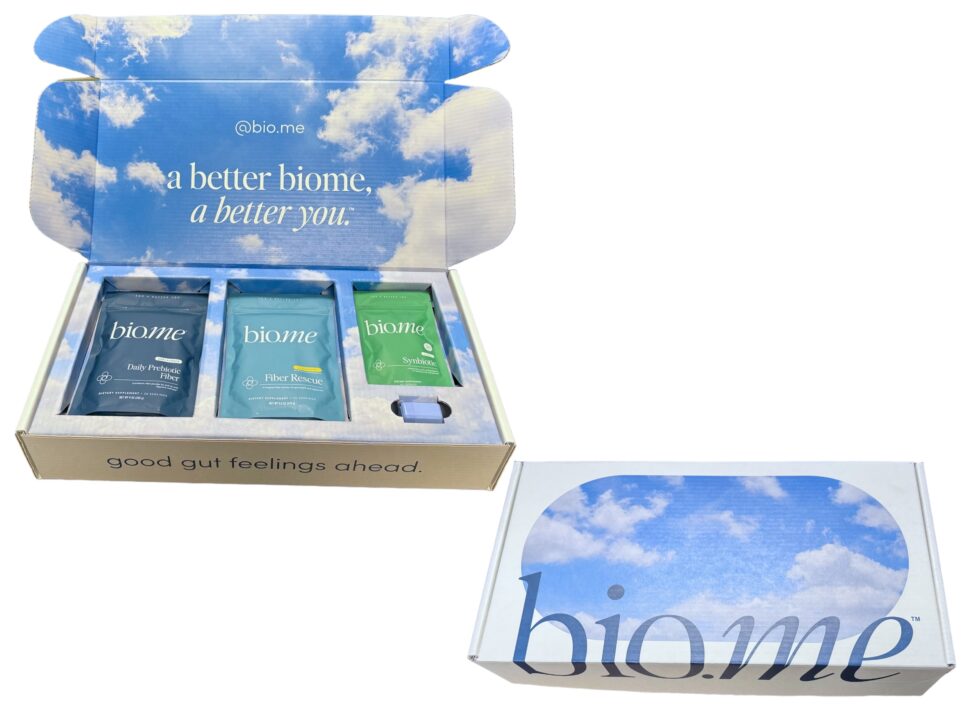
The Bio.Me box is a clean, camera-ready, and full-color influencer kit that immediately tells a story. Inside, a custom-cut tray with three cutouts and a platform neatly stages multiple product packs plus a small accessory, while the lid uses a sky-and-cloud graphic and descriptive tagline to create a high-impact unboxing moment that looks bright and modern on video.
RNWY
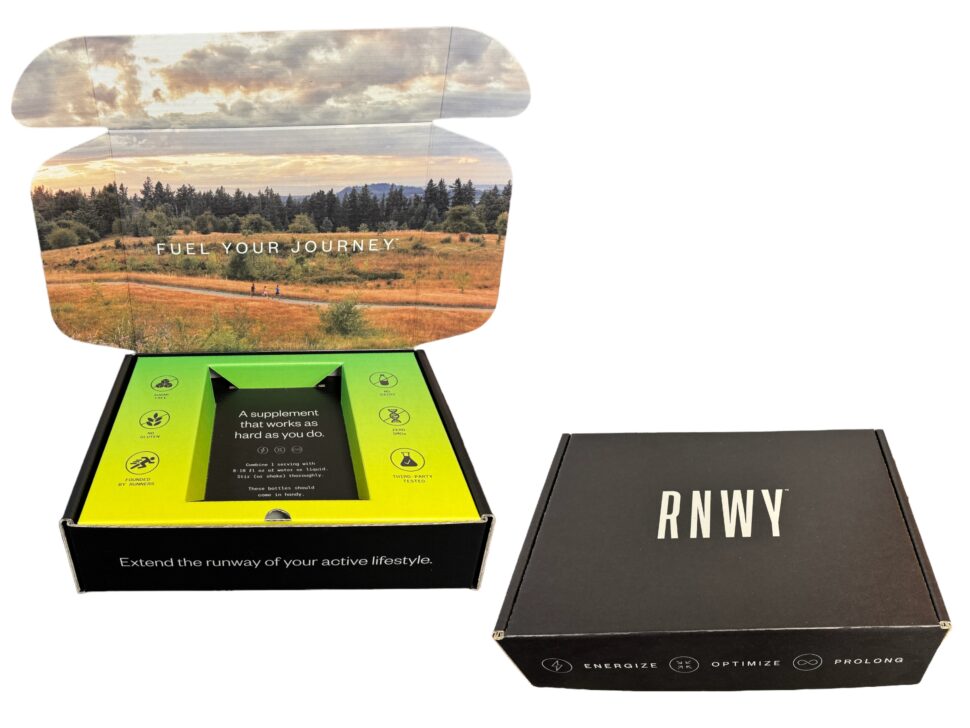
The RNWY box uses a custom tray and platform to stage the product and keep everything secure in transit. But what really catches the eye is the beautiful landscape photograph on the top inside flap, which tells the brand story and builds excitement about the product the second the creator opens the box.
Cocomo
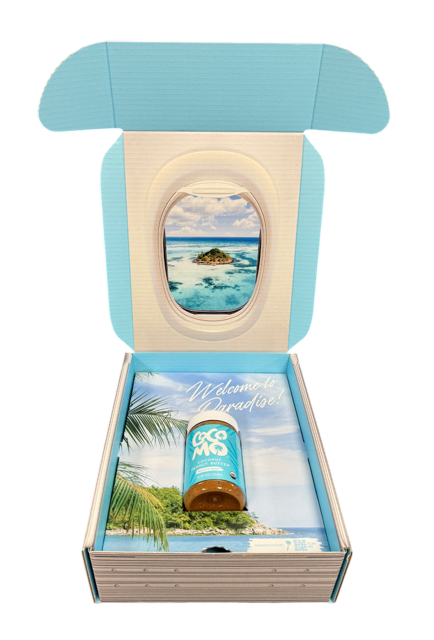
The Cocomo box is a larger-format kit that pairs a printed box with a matching printed tray and platform for a layered unboxing experience. And what better way to pair a coconut-based product than with palm trees and a flap shaped like an airplane window to make creators think of a trip to the beach? It’s the perfect inspiration for brands that want color-forward design and organized presentation when multiple items need to sit cleanly inside the box.
Flyers Cocktail
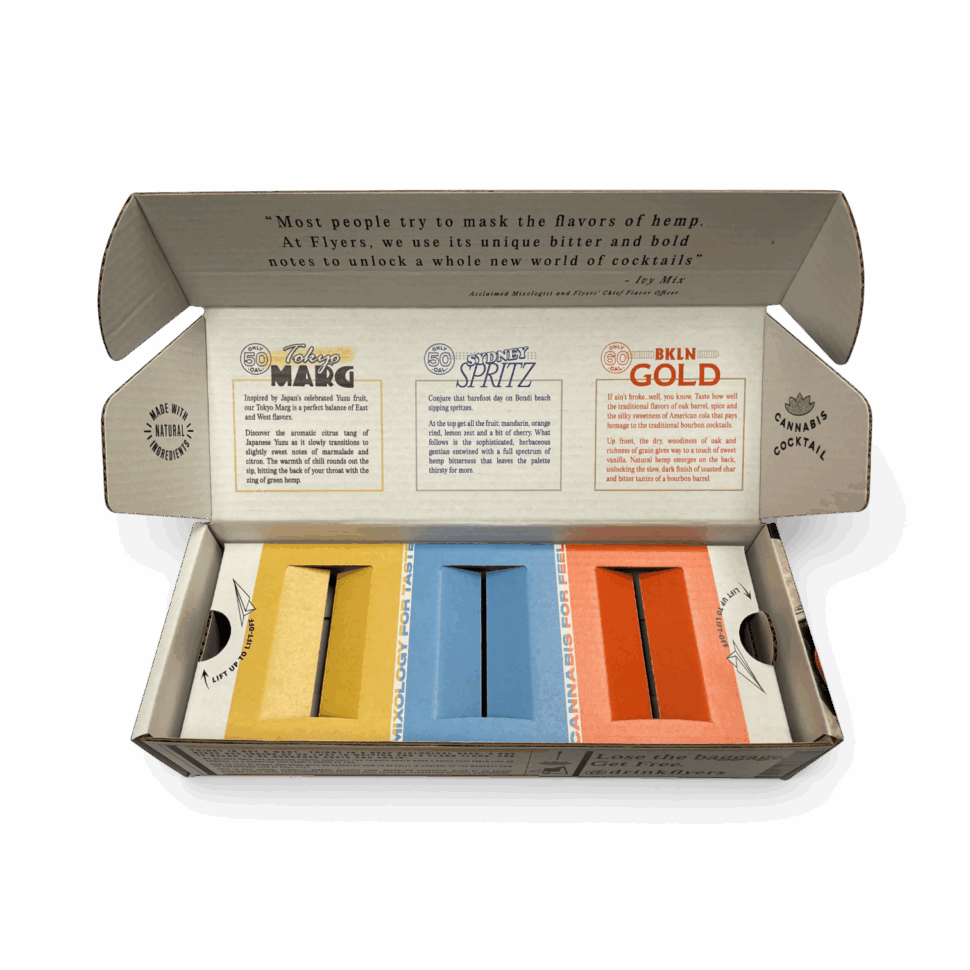
The Flyers Cocktail box uses a tray with custom cutouts sized to hold canned samples, which keeps products protected and camera-ready. Above each insert is coordinated product descriptions to make it easier for creators to know what to expect from the very beginning. This project is a great model for food and beverage brands that want the packaging to guide the unboxing and make the contents immediately clear.
DCC
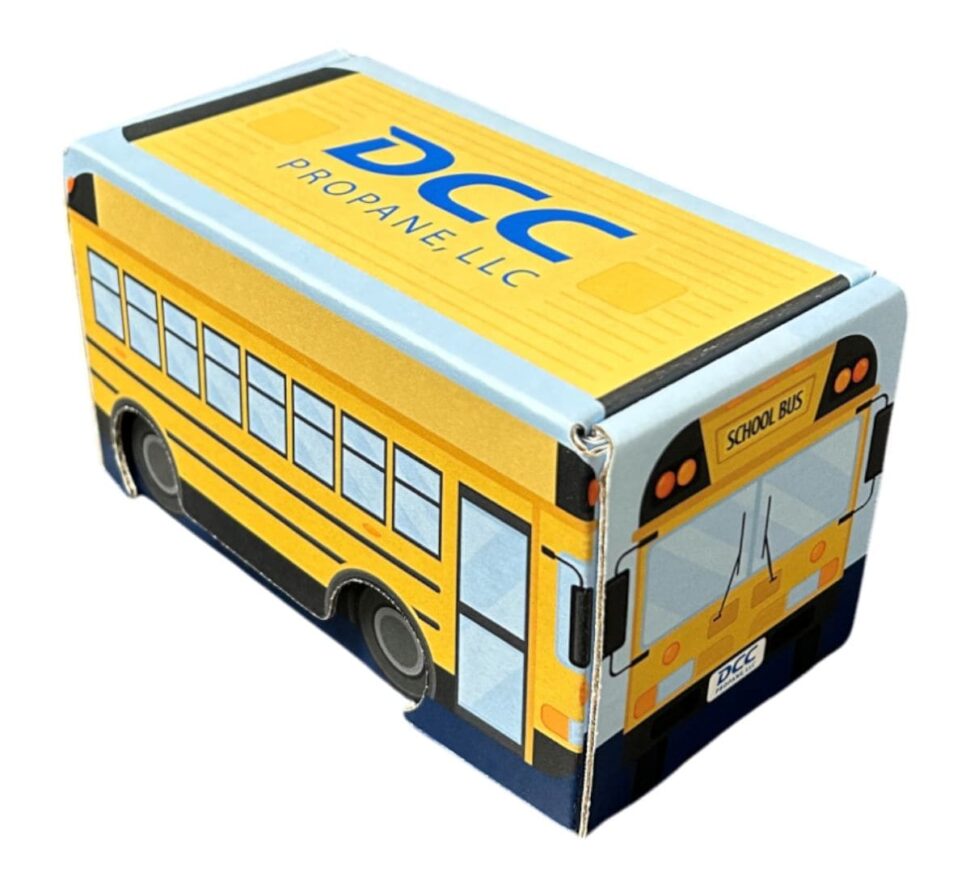
The DCC box takes the propane-powered bus theme to a whole new level. The box itself is a custom project designed in the shape of a bus, built to be playful and attention-grabbing the moment it arrives. It’s a great reminder that structural creativity can be the hook itself when you want the packaging to become part of the story creators share.
6 Tips for Creating Your Next Influencer Box
Even small changes can make an influencer gift box feel dramatically more premium and share-worthy. The goal is to make the unboxing experience easy to film, easy to understand, and hard to ignore.
1. Design for the First Five Seconds
Treat the first reveal like a thumbnail moment. When the lid opens, the creator should immediately see something that looks intentional on camera, whether that is your hero product framed neatly in an insert tray or a bold brand message on a top card. If the first view looks messy, the creator has to do extra work to “stage” the shot, and many will simply move on.
2. Curate the Experience
Choose fewer items, and make each one feel like it belongs. A tight selection helps creators understand what matters and gives them a clearer story to tell. If you want to include extras, tie them directly to the campaign concept or core product, such as a seasonal add-on, a complementary sample, or a small surprise that supports the product narrative.
3. Make the Layout Camera-Friendly
Build the inside of the box like a simple set. Visual hierarchy matters, so the eye naturally goes to the hero product first, then supporting items, then inserts. When everything has a place, the unboxing looks smoother, products stay protected during shipping, and creators do not have to rearrange the contents to make it look good.
4. Write Inserts People Actually Want to Read
Keep printed copy short, skimmable, and focused on what helps the creator. One card can tell the brand story, another can give quick-start usage, and a third can cover posting details, tags, and the CTA. When inserts are dense, they get ignored. When they are clear and friendly, they become part of the content.
5. Partner with a High-Quality Printer
Bring your printer into the process earlier than you think. A high-quality print partner can recommend materials that feel premium, suggest finishes that show up well on video, and help you build inserts and trays that hold products securely. You also get more consistent color and brand presentation across every shipment, which makes a significant difference when you are sending boxes in waves or running multiple campaigns.
6. Test in Waves & Refine
Start with a small batch so you can learn quickly. A first wave helps you spot practical issues like fit, protection, readability of inserts, or how the unboxing looks on different phones and lighting setups. Then you can adjust the layout, copy, or materials before scaling, so you can improve results while keeping costs under control.
Influencer Gift Box Ideas & Inspiration
When brands struggle with the results of influencer boxes, it’s usually because the concept is too generic. Strong influencer boxes give creators a clear angle, a clear moment, or a clear theme they can build content around. Use the following ideas to spark that kind of thinking.
The common thread across all of these ideas is intention. When the concept, packaging, and printed materials work together, creators do not have to guess how to turn the box into content. They can simply open it and start filming.
Theme-Based Box Concepts
Theme-driven boxes help creators instantly understand the story you want them to tell. A “behind the brand” box might include a timeline card, founder note, or material samples that show how the product came to life. A seasonal ritual box can walk creators through how your product fits into a morning routine, holiday tradition, or weekly habit. A limited “launch lab” kit can make a product release feel experimental and exclusive, even at small quantities.
Interactive & Layered Experiences
Boxes that invite interaction often perform better on video. Scratch-off reveal cards, QR codes that unlock a private video, or a simple challenge prompt can turn a passive unboxing into an active moment. Alternatively, layered reveals, where creators uncover items one section at a time, naturally extend watch time and make the content feel more dynamic.
Packaging Formats That Photograph Well
Certain box structures consistently look good on camera. Magnetic rigid boxes feel premium and slow the unboxing down in a good way, while drawer-style boxes create a natural reveal moment. Custom mailers with insert trays balance protection and presentation for campaigns that need to scale. The best format is the one that fits the product snugly and keeps the layout clean.
Industry-Specific Inspiration
Different industries benefit from different approaches. Beauty and personal care brands often pair products with routine cards or shade match inserts. Food and beverage brands can include pairing guides or recipe cards that encourage creators to demonstrate usage. Apparel brands might add styling cards or fit notes that reduce friction. Even software and B2B brands can create influencer-style kits with printed welcome materials, branded desk items, and QR codes that lead to demos or exclusive access.
FAQs About Influencer Boxes
What Is an Influencer Box?
An influencer box is a curated package sent to content creators to introduce a product, service, or brand in a way that is easy to share on social media. These boxes are designed to create an unboxing moment and give influencers everything they need to understand the product and turn it into content.
What Is a PR Box for Influencers?
A PR box for influencers is a type of influencer box specifically used for public relations purposes. Brands send PR boxes to generate awareness, reviews, and organic mentions rather than direct paid promotions, although some campaigns may include both gifted and sponsored elements.
Is an Influencer Box the Same as a PR Box?
The terms are often used interchangeably, and in practice they usually mean the same thing. Some brands use “PR box” to describe media or press outreach and “influencer box” for creator campaigns, but both focus on curated packaging, storytelling, and share-worthy presentation.
How Do Influencers Get PR Boxes?
Influencers typically receive PR boxes by building an audience, creating consistent content in a specific niche, and engaging with brands they align with. Brands may reach out directly, work through influencer agencies, or accept inbound requests from creators who pitch themselves for campaigns.
Why Do Brands Send Influencer Boxes?
Brands send influencer boxes to build awareness, earn social proof, and generate authentic content. A well-designed box helps creators understand the product quickly, creates a natural reason to post, and often leads to reusable content across paid ads, email, social media, and websites.
How Many Products Should We Include in an Influencer Box?
Most successful influencer boxes focus on one main product with a small number of supporting items. Including too many products can overwhelm the creator and dilute the message. A tight, intentional selection usually leads to clearer content and stronger storytelling.
How Many Influencers Should We Send to?
The right number depends on your goal and budget. Smaller campaigns may send boxes to 10–20 highly aligned creators, while seeding campaigns can reach 50, 100, or more micro-influencers. Many brands start with a smaller wave, review performance, and then scale what works.
Do Influencer Boxes Have to Be Expensive to Work?
Influencer boxes do not need to be expensive, but they do need to be intentional. Clear messaging, thoughtful packaging, and professional printing often matter more than the number of items inside. Even simple boxes can perform well when the unboxing experience is enjoyable and camera-friendly.
How Long Does It Take to Produce Influencer Boxes?
Timelines vary based on box complexity, print finishes, and quantities. Simple boxes can be produced relatively quickly, while custom structures or premium finishes may require more lead time. Planning early with a print partner helps avoid delays and last-minute compromises
Create the Best Influencer Boxes with United GMG
Influencer gift and PR boxes combine storytelling, product education, and presentation into a single experience. When done well, they create content creators want to share and audiences want to watch.
Are you planning an influencer campaign and want packaging that reflects the quality of your brand? We’re here to help.
At United GMG, we are a one-stop shop for custom influencer boxes. Our experienced marketing and printing teams are ready to help bring your influencer box ideas to life with custom printed boxes, inserts, finishes, and mail pieces that will resonate most with your audience.
See the impact your box can make when it’s in the right hands. Contact us today to get a free quote to start your next influencer PR campaign today.

About the author
Bella Ortloff
Continue reading

Higher Education Direct Mail: Strategies, Benefits, & Campaign Ideas
Higher education institutions are competing for attention across crowded inboxes, social feeds, search results, and ad platforms. One effective way to grab…

Sample Fundraising Letters for Schools: Print Strategies That Drive Donations
Fundraising plays a major role in helping schools provide better experiences for students. Whether the goal is new classroom technology, updated playground…
Custom Direct Mail for Private Schools: Tips for Marketing to Parents & Guardians
In a world of emails and social posts, private schools face a unique challenge: how to stand out from the crowd while…
