Sample Fundraising Letters for Schools: Print Strategies That Drive Donations
Fundraising plays a major role in helping schools provide better experiences for students. Whether the goal is new classroom technology, updated playground equipment, an educational trip, athletic uniforms, arts programming, scholarships, or general Parent Teacher Organization (PTO)/Parent Teacher Association (PTA) support, schools often need help from families, alumni, local businesses, and the broader community.
But asking for donations is not always easy—and that’s where a strong school fundraising letter can make a difference.
A good fundraising letter explains the need, connects the reader to the students who will benefit, makes the impact clear, and gives donors a simple way to take action. When that message is paired with professional printing, thoughtful design, and a well-planned mailing strategy, schools can create campaigns that feel polished, personal, and worth responding to.
In this article, we’ll walk through what to include in school fundraising letters, how to write them, sample templates for common fundraising needs, and direct mail ideas that can help schools create more effective campaigns.
What to Include in a School Fundraising Letter
Every fundraising letter should feel personal and purposeful. Even when schools are sending hundreds or thousands of letters, each recipient should feel like the message was written with them in mind.
Here are the key elements to include.
School Identity & Campaign Branding
Your letter should make it immediately clear who the message is from. Include the school name, logo, colors, and any campaign-specific branding that helps the appeal feel official and organized.
For example, a school raising money for new playground equipment could use a campaign name such as “Build Our New Playground” or “Playground Project 2026.” Alternatively, a school raising money for a performing arts program might use a theme such as “Keep the Arts on Stage.”
This type of branding helps the campaign feel more memorable. It can also create consistency across letters, envelopes, postcards, flyers, donation forms, banners, and digital materials.
A Friendly, Personalized Greeting
A warm greeting sets the tone for the entire letter. Whenever possible, use the recipient’s name instead of a generic opening. For example, “Dear Mrs. Johnson,” feels more personal than “Dear Supporter.”
Schools can also personalize letters by audience. A message to current parents should sound different from a message to alumni or local business owners. Parents may already understand the need, while alumni want to reconnect with the school’s mission and businesses need to understand how their sponsorship supports the community.
The more relevant the opening feels, the more likely the reader is to continue.
A Clear Reason for the Appeal
Don’t make donors guess why you are writing. Explain the purpose of the campaign early in the letter.
Instead of saying, “We are asking for your support this year,” be more specific: “We are raising $25,000 to replace outdated classroom technology so students have access to the tools they need for research, presentations, and hands-on learning.”
Specificity builds trust. It shows that the school has a defined goal and a plan for using donations responsibly.
A Student-Centered Story or Example
Donors are more likely to respond when they understand the human impact behind the request. For schools, that impact should almost always come back to students.
A brief story, example, or scenario can help donors picture what their gift makes possible. For example:
- A student using a new laptop to complete a research project
- A band member attending a regional competition
- A kindergarten class enjoying a safer playground
- A senior receiving scholarship support
- A science class using updated lab equipment
The story doesn’t need to be long. In fact, a short and specific example is often stronger than several paragraphs of explanation.
A Direct Donation Request
A fundraising letter should not be vague about the ask. Tell readers exactly what you are inviting them to do. This ask could include language like:
- “Please consider making a gift of $50, $100, or $250.”
- “A donation of any amount will help us reach our goal.”
- “Would your business consider becoming a sponsor at one of the levels listed below?”
- “Please return the enclosed donation card by May 15.”
Suggested giving levels can be helpful because they reduce uncertainty. Donors may want to help but feel unsure what amount is appropriate. Giving tiers makes the decision easier.
Clear Impact Statements
Donors want to know what their contribution will accomplish. Connect gift amounts to tangible outcomes whenever possible. For example:
- “$25 helps provide classroom supplies for one student.”
- “$100 helps cover transportation for an educational field trip.”
- “$250 helps fund new equipment for the robotics team.”
- “$500 supports scholarships for students who may not otherwise be able to participate.”
These examples help donors see their gift as more than a transaction. They show the direct connection between support and student benefit.
Easy Giving Instructions
The donation process should be simple. If a donor has to search for a link, call the school for details, or figure out where to send a check, you may lose the contribution.
Include clear instructions such as:
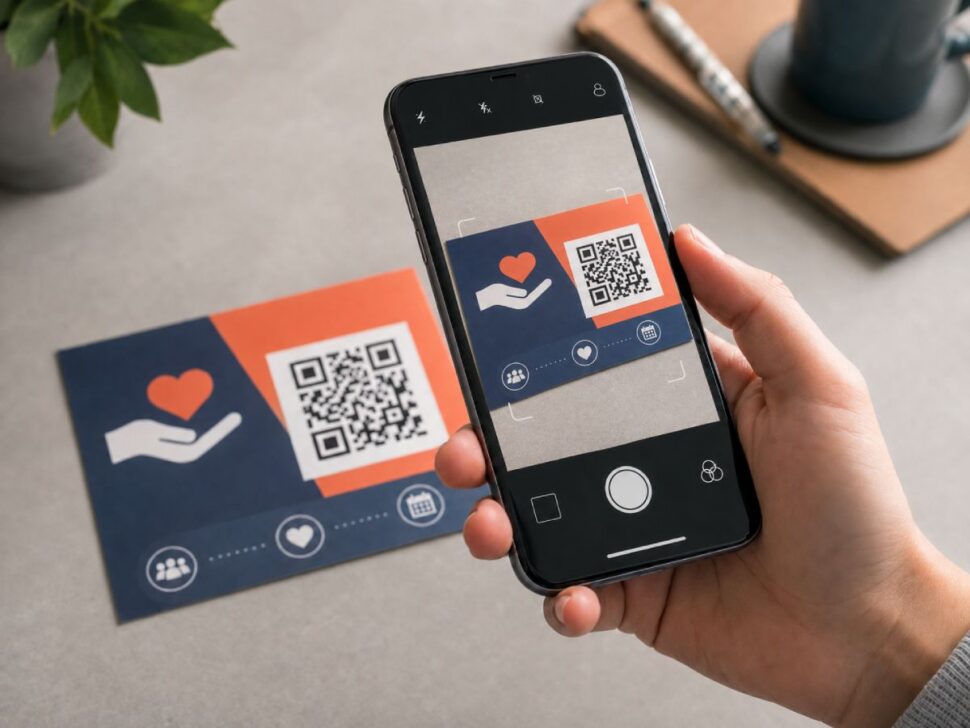
- A QR code that links directly to the donation page
- A short URL that is easy to type
- A return envelope
- A reply card or donation form
- Instructions for writing a check
- A phone number or email address for questions
- A clear deadline
If your campaign uses both print and digital giving options, mention both. Some donors will prefer to mail a check. Others will want to scan a QR code and give online immediately.
Donor Recognition or Incentives
For some school campaigns, recognition can encourage participation.
Offering incentives is especially useful for business sponsorships, events, athletic programs, auctions, galas, and larger campaigns. Recognition options include sponsor logos on event signage, mentions in event programs, recognition on the school website, social media thank you posts, donor walls, or public acknowledgements at school events.
For individual donors, recognition might be simpler. A thank you letter, student note, campaign update, or public donor list can help supporters feel appreciated.
Keep the focus on the mission first. Recognition should support the campaign, not overshadow the reason for giving.
Genuine Gratitude
Gratitude should appear before and after the donation. Thank readers for considering the request, acknowledge past support when appropriate, and show appreciation for the role they play in helping students.
A simple sentence can go a long way: “Thank you for helping create meaningful opportunities for our students.”
After the campaign, send thank you letters or postcards. Such donor appreciation helps build long-term relationships and increases the likelihood that supporters will give again in the future.
Contact Information
Include a clear contact person for questions, especially for larger gifts, sponsorships, matching gifts, in-kind donations, and business partnerships. Your letter should include a contact name, email address, phone number, school mailing address, and website or donation page so that it’s easy for donors to get in touch.
How to Write a School Fundraising Letter: 9 Steps to Follow
A strong fundraising letter starts before the first sentence is written. Schools need a clear goal, a defined audience, a simple message, and a plan for follow-up.
Here is a step-by-step process to follow.
Step 1: Define the Campaign Goal
Start by clarifying what you are raising money for and how much you need. Ask questions such as:
- What is the specific fundraising goal?
- How much money do we need to raise?
- What is the deadline?
- Who will benefit?
- What will donations make possible?
- Who is most likely to support this campaign?
A general appeal can work for annual funds, but even then, it should include concrete examples. A specific campaign is usually easier to explain and easier for donors to support. For example, “Support our school” is broad. “Help us raise $15,000 for new library books and reading resources” is more compelling.
Step 2: Segment the Mailing List
Different audiences care about different things. Before writing, decide who will receive the letter and whether you need more than one version.
Possible audience segments include:
- Current families
- Alumni
- Grandparents and extended family
- Local businesses
- Past donors
- Community members
- Event attendees
- Booster club supporters
- School foundation donors
A letter to parents may emphasize student experience and school community, while a letter to a local business may highlight community partnership and sponsorship visibility.
Segmentation doesn’t have to be complicated. Even small adjustments can make the message feel more relevant.
Step 3: Open with the Need or Opportunity
The introduction should quickly explain why the letter matters. Avoid starting with too much background or a long history of the school.
A strong opening might mention a specific student need, a campaign goal, a challenge the school is trying to solve, or a program that needs community support. For example: “This spring, our students have the opportunity to attend the regional science competition, but transportation and registration costs are creating a barrier for many families.” That opening gives the reader a clear reason to keep reading.
Step 4: Make the Ask Clearly
Don’t hide the donation request at the very end of the letter. Once you have introduced the need, make the ask in direct, respectful language. For example: “We are asking families and community members to consider a gift of $50, $100, or any amount that feels meaningful to help us reach our $10,000 goal.”
The ask should be specific, but not pushy. Make it easy for donors to understand what you are requesting and why their support matters.
Step 5: Highlight the Impact
After making the ask, explain what the gift will help accomplish. This part is where you connect the donation to real outcomes.
Instead of saying donations will “support students,” explain how:
- Students will gain access to updated equipment
- Families will receive help covering trip costs
- Teachers will have better classroom resources
- Athletes will receive safer gear
- Arts programs will have the materials needed for performances
- Scholarship funds will help more students participate
Impact gives the donation meaning.
Step 6: Put Donors in the Spotlight
A fundraising letter should not focus only on what the school needs. It should show donors the role they can play.
Use donor-centered language such as:
- “Your support helps students…”
- “Because of donors like you…”
- “You can help make this possible…”
- “With your gift, our students will be able to…”
This approach helps the reader feel invited into the mission rather than treated like an ATM.
Step 7: Add Urgency Without Pressure
Deadlines help people act. If there is a campaign deadline, event date, matching gift window, registration deadline, or project timeline, include it clearly. Consider language like: “To prepare for the fall semester, we hope to raise the full amount by July 15.”
The urgency should feel practical instead of manipulative. The goal is to help donors understand why giving now matters.
Step 8: Close with Gratitude & a Clear CTA
End the letter by thanking the reader and repeating the next step. A strong closing should include appreciation, the donation method, the deadline, contact information, and a signature from a trusted person. The signer could be the principal, PTO/PTA president, development director, coach, teacher, student leader, or school foundation representative.
Step 9: Plan the Follow-Up
Plan follow-up communication before the mailing goes out. Follow-up options may include:
- Reminder postcards
- Campaign progress updates
- Email reminders
- Thank you letters
- Phone calls for major donors or sponsors
- Event signage
- Social media updates
- Post-campaign impact mailers
Follow-up keeps the campaign active and gives donors another opportunity to respond.
6 Sample Fundraising Letter Templates for Schools
The following templates can be customized for different fundraising goals. Schools should adjust the language, donation amounts, deadlines, and details to fit their specific campaign.
Template 1: General PTO/PTA Annual Fund Appeal
Use this template for school-wide fundraising, classroom support, teacher appreciation, enrichment activities, student programs, and flexible annual funding.
Dear [Name],
Every school year brings new opportunities to support our students, teachers, and school community. Through the [PTO/PTA Name], we help fund programs and resources that make the school experience stronger for every child.
This year, we are raising funds to support [list key priorities, such as classroom supplies, student events, teacher appreciation, enrichment programs, field trips, or school improvements]. These efforts help create a more engaging and supportive learning environment for our students.
Would you consider making a gift of [$25, $50, $100, or another amount] to support this year’s annual fund?
Your contribution can help provide resources and experiences that directly benefit students. Every gift makes a difference, and participation from families like yours helps us continue this important work.
You can donate by [insert donation instructions, QR code, short URL, reply envelope details, or check instructions]. We hope to receive contributions by [deadline].
Thank you for supporting [School Name] and for being part of a community that shows up for students.
With appreciation,
[Name]
[Title]
[PTO/PTA Name]
[Contact Information]
This type of letter works best when the school wants broad participation from families and the community. Keep the message flexible enough to cover several needs but specific enough that donors understand how their gift supports students throughout the year.
Template 2: Specific Project Fundraising Letter
Use this template for playground upgrades, technology purchases, library improvements, science equipment, athletic equipment, safety upgrades, or campus improvements.
Dear [Name],
At [School Name], we are always looking for ways to create better learning experiences for our students. Right now, we are working toward an important goal: raising [$Amount] for [specific project].
This project will help [explain who benefits and how]. For example, [include a short impact example, such as students having access to safer play equipment, updated technology, better classroom materials, or improved learning spaces].
To make this [specific project] possible, we are asking families, alumni, and community supporters to consider a gift toward the project. A donation of [$Amount] can help provide [specific item or outcome]. A gift of [$Amount] can help support [specific item or outcome]. Any amount is appreciated and will move us closer to our goal.
Our goal is to complete fundraising by [deadline] so we can [explain next step, such as order equipment, begin installation, prepare for the school year, or launch the program].
You can make your gift by [insert donation instructions]. If you have questions or would like to discuss a larger contribution, please contact [Contact Name] at [Email/Phone].
Thank you for helping us create something meaningful for the students of [School Name].
Sincerely,
[Name]
[Title]
[School Name]
[Contact Information]
For project-based campaigns, clarity is everything. The more concrete the goal, timeline, and expected outcome are, the easier it is for donors to understand why their support is needed now.
Template 3: Student Trip or Event Fundraising Letter
Use this template for field trips, educational travel, competitions, band trips, choir trips, debate tournaments, athletic travel, leadership events, or student conferences.
Dear [Name],
Students from [School Name/Group Name] have the opportunity to participate in [Trip/Event Name] on [Date]. This experience will give them the chance to [describe the educational, leadership, artistic, athletic, or personal growth benefits].
For many students, opportunities like this create memories and lessons that last far beyond the classroom. They will be able to [include specific examples, such as compete with peers, visit an educational site, perform for a larger audience, attend workshops, or represent the school].
The total cost for this opportunity is [$Amount], which includes [transportation, registration, lodging, meals, materials, or other expenses]. We are raising funds to help reduce the cost for students and make participation more accessible.
Would you consider making a donation of [$25, $50, $100, or another amount] to support our students?
You can give by [insert donation instructions]. Contributions received by [deadline] will help us finalize arrangements for the trip/event.
Thank you for encouraging our students and helping them take part in experiences that support their growth.
With gratitude,
[Name]
[Title or Advisor Role]
[School/Group Name]
[Contact Information]
This template should make the experience feel educational, meaningful, and accessible. Donors should understand that they are not simply helping pay for a trip or event but helping students participate in an opportunity that supports learning, growth, and school pride.
Template 4: Corporate or Local Business Sponsorship Request
Use this template for event sponsorships, athletic programs, arts programs, school fairs, auctions, galas, scholarships, booster clubs, or program underwriting.
Dear [Business Owner/Manager Name],
[School Name] is preparing for [event, campaign, program, or initiative], and we are inviting local businesses to partner with us as sponsors.
This effort will support [briefly explain what the funds will help provide]. Your sponsorship will help create meaningful opportunities for students while showing your support for families in the [Community Name] area.
We are currently offering the following sponsorship opportunities:
- [Sponsorship Level 1]: [$Amount] includes [recognition details]
- [Sponsorship Level 2]: [$Amount] includes [recognition details]
- [Sponsorship Level 3]: [$Amount] includes [recognition details]
Sponsors will be recognized through [event signage, program listings, website mentions, social media posts, banners, newsletters, or other appropriate recognition].
If your business would like to participate, please complete the enclosed sponsorship form or contact [Contact Name] at [Email/Phone] by [Deadline].
Thank you for considering this opportunity to support local students and strengthen our school community.
Sincerely,
[Name]
[Title]
[School Name]
[Contact Information]
For business sponsorship letters, the strongest approach is to balance student impact with community visibility. Make the sponsorship levels easy to compare, and give businesses a clear next step so they can respond without extra back-and-forth.
Template 5: Alumni Giving Letter
Use this template for alumni appeals, scholarship funds, capital campaigns, anniversary campaigns, private school fundraising, or legacy giving.
Dear [Name],
As a member of the [School Name] alumni community, you are part of the story that continues to shape our school today. The experiences, traditions, and opportunities that made [School Name] meaningful for past students continue to matter for the students walking our halls now.
This year, we are raising funds for [campaign goal]. Your support will help [explain impact for current students].
A gift of [$Amount] can help [specific outcome]. A gift of [$Amount] supports [specific outcome]. Every contribution helps us continue providing students with the resources, programs, and experiences they need to thrive.
We invite you to make a gift by [insert donation instructions]. Our goal is to raise [$Amount] by [Deadline].
Thank you for staying connected to [School Name] and for helping carry its legacy forward for today’s students.
With appreciation,
[Name]
[Title]
[School Name]
[Contact Information]
Alumni appeals are strongest when they connect the donor’s past experience with the students benefiting today. The letter should feel warm and personal while making the campaign goal clear enough to inspire action.
Template 6: Thank You Letter After a Donation
Use this template after a donor contributes to the campaign. This letter should focus on appreciation, not another ask.
Dear [Name],
Thank you for your generous gift to support [campaign name or purpose]. Your contribution helps [briefly describe impact], and we are grateful for your support.
Because of donors like you, our students will have access to [specific program, resource, opportunity, or improvement]. Your generosity is helping us move closer to our goal and create a stronger experience for the students of [School Name].
We look forward to sharing updates as the campaign progresses. Thank you again for believing in our students and supporting this important effort.
With gratitude,
[Name]
[Title]
[School Name]
[Contact Information]
A thank you letter should make donors feel seen and appreciated. When schools share the impact of a gift and continue communicating after the donation, they build stronger relationships for future campaigns.

Direct Mail Ideas for School Fundraising Campaigns
A fundraising letter is often the centerpiece of a campaign, but it doesn’t have to stand alone. Direct mail gives schools several ways to make the campaign more visible, more personal, and easier to act on.
Here are several direct mail ideas to consider.
Personalized Appeal Letter with Reply Envelope
A personalized letter with a reply envelope is a strong option for annual funds, parent appeals, alumni campaigns, and school foundation fundraising.
This format gives donors everything they need in one package:
- A clear written appeal
- A donation form or reply card
- A return envelope
- A QR code or short URL for online giving
- Contact information for questions
This approach works well for donors who prefer traditional giving methods while still supporting digital donations.
Letter Plus Impact Insert
An impact insert is a one-page piece that visually explains how donations will be used. It can be included with the main letter to make the campaign easier to understand at a glance. For example, an insert could show:
- $25 provides supplies for one student
- $75 helps fund field trip transportation
- $150 supports classroom technology
- $500 helps sponsor a student program
Impact inserts are especially useful when the letter needs to stay concise but the campaign would benefit from additional details or visuals.
Postcard Reminder Campaign
A postcard can serve as a simple follow-up after the first letter and can remind recipients of the campaign deadline, share progress, and direct them back to the donation page. For example: “Only $4,500 left to reach our playground goal. Help us finish strong by May 15.”
Postcards are easy to scan and can be effective for mid-campaign reminders, final deadline pushes, or thank-you updates.
Sponsor Packet for Local Businesses
When schools are asking local businesses for support, a professional sponsor packet can make the request feel more organized and credible. A sponsor packet might include:
- A personalized sponsorship letter
- Sponsorship levels
- Recognition benefits
- Event or campaign details
- Response form
- Return envelope
- Contact information
This approach works well for school fairs, galas, auctions, athletic programs, arts events, booster clubs, and scholarship campaigns.
Student Artwork or Handwritten-Style Note Campaign
Student artwork, quotes, or short messages can make a fundraising campaign feel more personal and authentic. They are especially effective for elementary schools, classroom projects, arts programs, library campaigns, and community-based appeals.
A professionally printed piece can preserve the warmth of student-created content while making the final mailing look polished and easy to read. A mailer could, for instance, include a student drawing on the front and a short campaign message inside.
Matching Gift Announcement Mailer
If a donor, family, or local business offers to match gifts, schools can use direct mail to promote the opportunity. Matching gift campaigns create natural urgency because donors know their contribution can have a larger impact during a specific window.
A matching gift mailer should clearly explain who is offering the match (if appropriate), how much will be matched, the deadline, how donors can participate, and what the funds will support.
Campaign Progress Mailer
Progress updates can help donors feel like they are part of an active effort. A campaign progress mailer can show how close the school is to reaching the goal and invite supporters to help close the gap. For example: “We are 75% of the way to our goal. Help us fund the final phase.” This type of mailer can work well after the first wave of donations has come in and the school needs one more push.
QR Code or Personalized URL Campaign
Print and digital fundraising do not need to be separate. QR codes and personalized URLs (PURLs) can make it easier for recipients to move from a printed piece to an online donation page.
Schools can use QR codes or personalized links to direct donors to donation pages, sponsorship forms, event registration pages, and more. The key is to make the destination useful and direct. A QR code should take donors exactly where they need to go, not to a general homepage where they have to search for the campaign.
Print & Mailing Strategies That Can Help Increase Donations
The quality of the message and the way it’s presented is key. A school fundraising letter should look credible, organized, and easy to respond to.
Try out these print and mailing strategies during your next fundraising campaign to improve the experience.
Use Quality Materials That Reflect the Campaign
When a school asks for financial support, the printed materials should feel professional. Paper quality, envelope selection, color, layout, and finishing details all influence the first impression. A well-produced letter can signal that the campaign is organized and important. It’s especially valuable when mailing to alumni, local businesses, major donors, or community partners.
Make the Envelope Worth Opening
Before someone reads the letter, they see the envelope. A plain envelope may work in some cases, but schools can often improve engagement with thoughtful envelope design.
Consider using:
- School branding
- Campaign name or logo
- Personalized addressing
- A short teaser message
- Invitation-style envelopes for special campaigns or events
The envelope should look professional and relevant. Avoid clutter or gimmicky copy that could make the piece feel less credible.
Personalize the Mailing
Personalization can make a direct mail campaign feel more intentional. It may include the recipient’s name, family name, alumni class year, business name, past donor status, or campaign-specific message. With variable data printing, schools can personalize letters and mailers at scale while maintaining consistent design and quality.
Keep the Design Easy to Read
A fundraising letter should not be visually overwhelming. Use short paragraphs, clear headings, bolded details, and enough white space. Make sure the most important information—campaign goal, donation request, deadline, and giving options— stands out. If the letter includes a QR code, place it where readers can easily find it. If there is a reply card, make the form simple and uncluttered.
Add Visuals That Support the Message
Photos, graphics, renderings, and impact charts can help donors understand the campaign faster. Examples include:
- Photos of students participating in the program
- A rendering of a planned playground or facility improvement
- A simple thermometer-style progress graphic
- A chart showing what different gift amounts fund
- Images from past trips, events, or performances
Use approved, high-quality images when possible. Real school visuals usually feel more meaningful than generic stock photos.
Coordinate Timing with the School Calendar
Timing can make or break a school fundraising campaign. Schools should plan mailing dates around the rhythm of the academic year. Good timing opportunities include:
- Back-to-school season
- Year-end giving
- Spring fundraising periods
- Event registration windows
- Project deadlines
- Alumni weekends
- School anniversaries
- Athletic or arts seasons
Avoid sending major appeals when families are overwhelmed by breaks, testing periods, holidays, or last-minute school transitions unless the timing is tied to a specific campaign deadline.
Track Campaign Results
Tracking helps schools understand what worked and what to improve next time. There are many ways to track direct mail fundraising campaigns:
- Unique QR codes
- Campaign-specific URLs
- Personalized URLs
- Donation source codes
- Reply cards
- Segment-based tracking
- Dedicated phone numbers or email addresses
After the campaign, review response rate, total gifts, average gift size, segment performance, sponsor participation, and follow-up results. These insights can make the next campaign stronger.

Key Tips for School Fundraising Letter Success
A strong fundraising letter needs to be clear, specific, and easy to act on.
Be Specific About the Need
Donors should understand exactly what their gift supports. Replace broad statements with concrete goals, numbers, and examples. Instead of saying, “We need support for student programs,” say, “We are raising $12,000 to cover transportation, registration fees, and materials for our student leadership conference.” Specific details make the campaign more believable and more compelling.
Write Like a Human
The best fundraising letters sound warm and genuine. Avoid overly formal language, committee-style wording, or long explanations that bury the message. Write as if you are speaking to someone who already wants to care but needs a clear reason to act.
Make the Donor the Hero
The school may be organizing the campaign, but donors help make the outcome possible. Use language that puts supporters at the center of the impact. For example: “Your gift helps students experience hands-on learning outside the classroom.” That’s stronger than a school-centered sentence that only says, “We need funds for our field trip.”
Use Visuals with Purpose
Visuals should help explain the campaign and quickly answer the question, “What am I helping support?” Use photos, renderings, student artwork, progress graphics, or impact charts when they make the message easier to understand.
Make Giving Simple
Every fundraising letter should include a clear next step. Ideally, donors should have more than one easy way to give. Include options such as:
- “Scan the QR code.”
- “Visit the donation page.”
- “Return the enclosed card.”
- “Mail a check.”
- “Call or email for sponsorship details.”
Before mailing, test every QR code, link, phone number, and form.
Invest in Professional Print Quality
A school fundraising letter represents the campaign. It should be clean, well-designed, readable, and professionally produced.
Professional printing can help schools maintain consistent branding, improve color quality, personalize mailings, and create materials that feel credible to families, alumni, sponsors, and community members.
FAQs About School Fundraising Letters
How Long Should a School Fundraising Letter Be?
Most school fundraising letters should fit on one page. A concise, focused letter is easier to read and more likely to keep the donor’s attention. If the campaign needs more detail, include a separate insert, flyer, sponsorship sheet, or brochure.
Who Should Sign a School Fundraising Letter?
The letter should be signed by someone the audience knows or trusts. Depending on the campaign, it could be the principal, PTO/PTA president, development director, coach, teacher, student group advisor, school foundation leader, or board chair. For student-led campaigns, a short student message or co-signature can also make the letter feel more personal.
What Is the Best Time to Send School Fundraising Letters?
The best timing depends on the campaign goal. Common windows include back-to-school season, year-end giving, spring fundraising periods, before major events, and ahead of project deadlines. Schools should also consider the academic calendar and avoid mailing during periods when families are likely to be distracted unless the timing supports a specific campaign deadline.
Should School Fundraising Letters Include Suggested Donation Amounts?
Yes, suggested donation amounts can be helpful. They make the decision easier and give donors a sense of what level of support is useful. Schools can also connect those amounts to specific outcomes so donors understand the impact of each gift level.
Should a Fundraising Letter Include a QR Code?
A QR code can be useful if it takes donors directly to the right place, such as a donation page, sponsorship form, campaign video, or event registration page. It should not be the only donation option, though. Some donors may prefer to use a return envelope, mail a check, or contact the school directly.
Can Schools Send Fundraising Letters to Local Businesses?
Yes. Local businesses can be strong partners for school events, athletic programs, arts programs, scholarships, auctions, galas, and community campaigns. A business sponsorship letter should explain the school’s need, the community benefit, sponsorship levels, recognition opportunities, and how the business can participate.
What Should Be Included in a School Fundraising Direct Mail Package?
A strong direct mail package may include a personalized letter, donation card, return envelope, impact insert, sponsorship sheet, QR code, and branded outer envelope. The right format depends on the audience, budget, campaign size, and donation goal.
How Can Schools Make Fundraising Letters More Personal?
Schools can personalize letters by using recipient names, segmenting the audience, referencing the recipient’s relationship to the school, including student stories, and connecting the ask to a specific outcome. For example, an alumni letter can reference school legacy, while a parent letter can focus on the current student experience.
How Many Follow-Up Mailers Should a School Send?
Many campaigns benefit from at least one follow-up reminder and one thank-you or progress update. Larger campaigns may use a longer sequence with an initial letter, reminder postcard, deadline mailer, and post-campaign impact message. Each follow-up should add clarity, urgency, appreciation, or useful campaign progress.
Do Schools Need Professional Printing for Fundraising Letters?
Small campaigns may be handled internally, but professional printing is valuable when schools want a polished, consistent, and efficient mailing process. Professional printing can help with design quality, color consistency, personalization, paper selection, envelopes, reply materials, mailing preparation, and larger campaign logistics.
Contact United GMG to Bring Your School Fundraising Campaign to Life
A strong school fundraising letter starts with a clear message. It explains the need, shows the impact, asks directly, and makes giving simple.
But the message is only one part of the campaign. The way the letter is designed, printed, personalized, packaged, mailed, and followed up can also influence how donors respond.
At United GMG, we’re a one-stop shop for all your direct mail marketing needs, and we help schools, PTO/PTA groups, booster clubs, foundations, and education organizations create campaigns that support fundraising goals. Our experienced marketing and printing teams are ready to help you determine what types of direct mail pieces would resonate most with your audience and print your marketing assets with our high-quality machines.
See how far your message can go when it’s in the right hands. Contact us today to get a free quote to start planning your next school fundraising direct mail campaign.

About the author
Bella Ortloff
Continue reading
Top 14 Retail Print Solutions Every Commercial Brand Should Use
Walk into any retail space and you immediately start forming opinions. The way products are displayed, how information is presented, and even…

Paper Material Options: Different Types of Paper for Printing
Paper is a big part of the experience your audience has with your brand. The feel, thickness, and finish all influence how…

What is Donor-Centric Fundraising?
Imagine receiving two postcards in the mail, each from a different nonprofit. Both are printed on high-quality paper and feature eye-catching designs.…
