Booklet Printing & Bindery: Requirements & Stitching Types
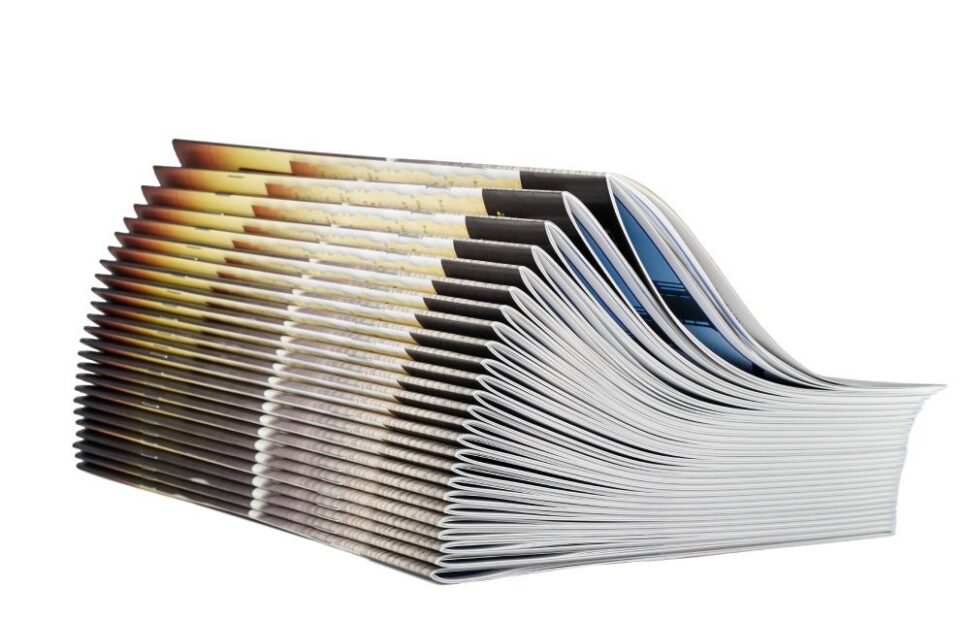
Booklets have a way of slowing people down. They invite readers to flip pages, linger on details, and absorb information without distractions or pop-ups competing for attention. Whether used to tell a brand story, explain a complex product, train a team, or support a direct mail campaign, a well-made booklet carries weight in a way few other formats can.
But behind every effective booklet is a series of decisions that shape how it looks, feels, and performs. Page count, paper stock, binding method, finishing details, and mailing considerations all influence the final result.
When these elements work together, the booklet feels intentional and polished. When they don’t, even strong content can fall flat.
Booklet Printing, Binding, & Stitching: The Basics
Booklets occupy a unique space in print. Unlike flyers, postcards, or single sheet brochures that are designed to deliver a message quickly, booklets are meant to be read in sequence. They tell a longer story, explain ideas in depth, or guide someone through information step by step. Because of that, how a booklet is printed and bound plays a much bigger role than it does with other print materials.
The booklet printing process involves producing multiple pages that are folded, aligned, and held together as one finished piece. Binding or stitching is the method used to secure those pages, and might require staples, thread, glue, wire, or other mechanical systems, depending on the project.
While a booklet’s binding might seem like a small detail, it directly affects how the booklet functions. The binding choice influences how the booklet opens, whether pages lay flat, how durable it is over time, and how it feels in someone’s hands. It can also affect how professional or substantial the booklet appears at first glance. A thin stitched booklet communicates something very different from a thick perfect bound piece, even before the content is read.
Booklets also place different demands on printing than other materials. Page order matters, and margins must account for folds and binding edges. Additionally, paper needs to be flexible enough to fold cleanly while still holding up to use. And when booklets are mailed, considerations such as thickness, flexibility, and closure come into play.
Thinking about printing, binding, and stitching early helps align design, production, and distribution. With a clear understanding of these basics, it becomes much easier to choose the right binding method and create a booklet that works the way it is intended to.
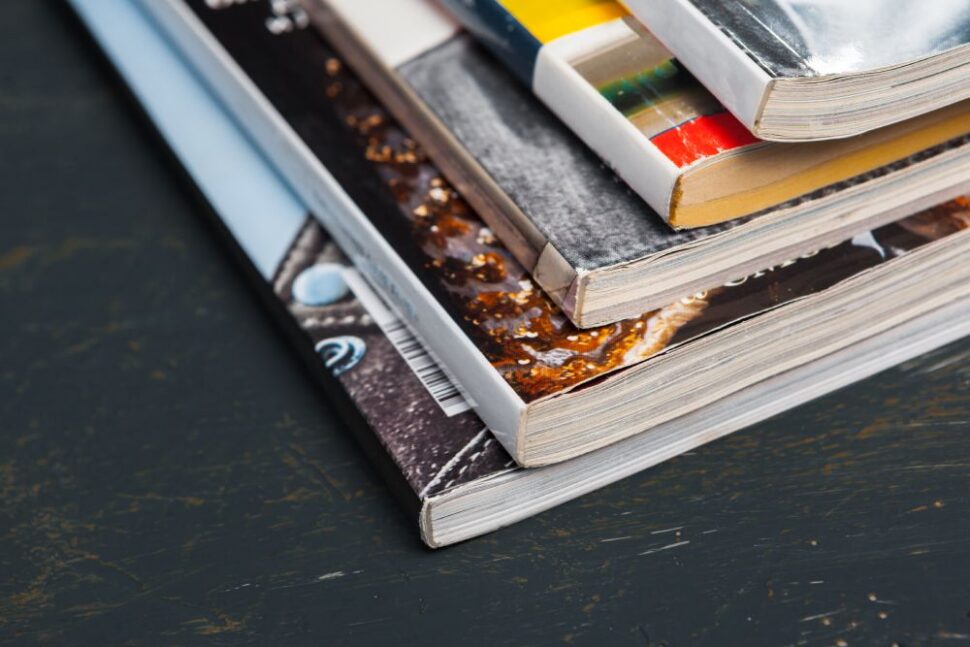
Booklet Stitching & Binding Types
There is no single best binding option for every project. The right choice depends on page count, paper type, how the booklet will be used, how often it will be handled, and whether it needs to meet mailing requirements.
Saddle Stitching
Saddle stitching is one of the most familiar booklet binding methods and is often what people picture when they think of a traditional booklet. Printed sheets are folded in half, nested inside one another, and fastened along the spine with wire staples.
Because the pages are folded and stacked, this method works best for thinner booklets made with flexible paper stocks. Layout planning is important, since saddle stitched booklets must be built in page counts that are multiples of four. As page count increases, the outer pages begin to shift slightly, a factor known as “page creep” that may need to be addressed during design.
Saddle stitching is commonly used for magazines, newsletters, programs, brochures, and short catalogs. It is lightweight, cost-effective, and opens flat, which makes it comfortable to read and easy to distribute by hand or through the mail.
Loop Stitching
Loop stitching builds on the basic saddle stitch format but adds a functional twist designed for organization and flexibility. Instead of flat staples pressed against the spine, the wire is formed into loops that extend outward. Those loops allow the booklet to be placed directly into a three ring binder without hole punching, making it easy to store alongside other materials. The booklet still opens and reads like a standard saddle stitched piece, but it becomes part of a larger system rather than a standalone item.
Loop stitching is often used for instructional materials, training programs, policy manuals, and guides that may be updated over time. It works particularly well when content needs to be stored, referenced frequently, or combined with inserts and supplemental pages.
Side Stitching
Side stitching secures pages by placing staples or stitches through the entire stack along one edge rather than along a folded spine. This process allows pages to remain flat sheets. However, since the binding runs along the side, the booklet does not open as widely as other methods, which can limit spread visibility. In return, it supports higher page counts and adds structural strength.
Side stitched booklets are commonly used for reports, proposals, and reference documents where capacity and durability are more important than a lay flat reading experience.
Singer Sewn Binding
Singer sewing replaces traditional wire staples with thread stitched through the folded spine of the booklet. The stitching runs neatly along the fold, reinforcing the structure without adding bulk.
By using thread instead of metal, this method adds strength while maintaining a clean, understated appearance. It is especially helpful for thicker saddle stitched booklets or projects expected to withstand frequent handling. Singer sewn binding is commonly chosen for booklets that need added durability but still benefit from a lightweight feel and a professional, refined look.
Thread Sewn Binding
Thread sewn binding assembles pages into sections called signatures, which are stitched together before being attached to a cover. This approach distributes stress evenly across the spine. The result is a flexible yet durable binding that opens comfortably and holds up through repeated use. Pages remain secure, and the booklet maintains its shape over time.
Thread sewn binding is often used for books, manuals, and publications intended for regular reference, longer life cycles, or higher perceived value.
Perfect Binding
Perfect binding creates a clean, square spine similar to a paperback book. Pages are stacked together, the spine edge is roughened, and a strong adhesive is applied before attaching a wraparound cover.
This binding style requires enough thickness to form a usable spine, so paper choice and page count play a significant role. The spine allows room for titles or branding, but the pages do not open completely flat, which is an important usability consideration.
Perfect binding is often chosen for product catalogs, manuals, directories, and marketing publications where a polished, professional appearance is a priority. It works well for higher page counts and pieces intended to be displayed or kept for reference.
Wire-O & Coil Binding
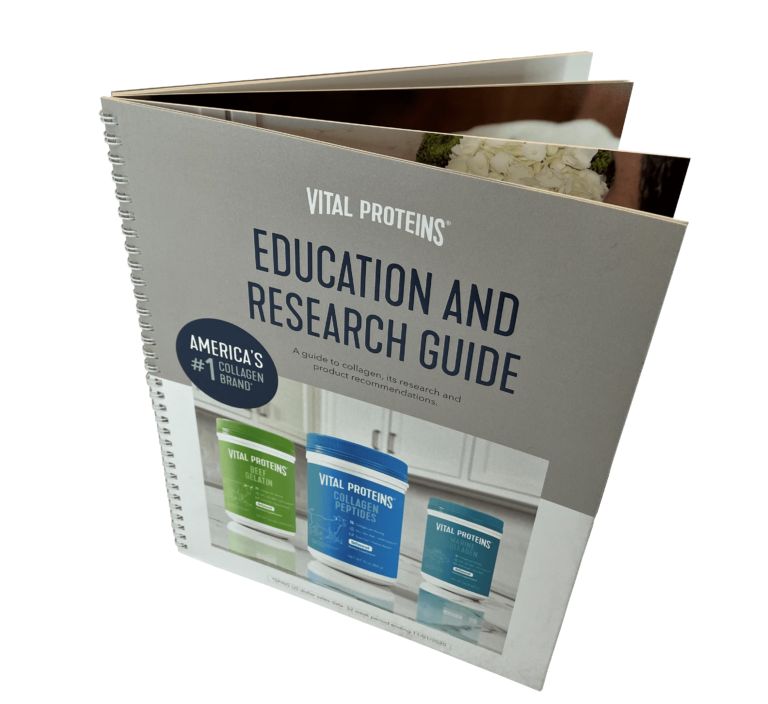
Wire-O and coil binding both rely on holes punched along the edge of the pages, but the finished look and feel differ slightly. Wire-O uses metal loops that close into a double loop spine, while coil binding uses a continuous plastic spiral.
These bindings are designed for ease of use. Pages can open fully, lay flat, or fold back on themselves without stress on the spine. That functionality makes them well suited for materials that will be handled frequently, such as workbooks, training manuals, calendars, and reference guides, all of which commonly use wire-O or coil binding.
While durable and practical, these methods can present challenges for mailing due to their rigidity and exposed edges.
Case Binding
Case binding is the traditional hard cover bookbinding method most people associate with hardcover books. Pages are sewn or glued together and then attached to a rigid cover made from board wrapped in paper, cloth, or specialty materials.
This construction provides the highest level of durability and protection. The rigid cover adds weight, stability, and a strong visual presence. As a result, case binding is typically used for reference books, annual reports, commemorative publications, and high value pieces designed for long-term use and repeated handling.
4 Steps in the Booklet Bindery Process
Once a booklet is printed, the bindery process is what turns loose sheets into a finished, usable piece. Each step builds on the one before it, which is why early design and production decisions have such a strong influence on the final result.
Step 1: Cutting & Trimming
Cutting and trimming bring printed sheets down to their final, precise size, setting the foundation for everything that follows. Accuracy matters here, as even small inconsistencies can affect margins, alignment, and how pages stack, fold, or sit once bound. Clean, consistent trimming contributes directly to a professional appearance and helps pages align properly throughout the booklet.
This step is also where planning pays off. Designs that extend to the edge of the page require bleed, where images or color run past the trim line so unwanted white borders do not appear. Final trim size, bleed, and tolerance should all be accounted for early in the design stage to avoid visual issues or reprints later.
Step 2: Folding
Folding gives the booklet its basic structure by shaping printed sheets into signatures, nested sets, or other configurations based on the chosen binding method. Proper folding keeps pages in the correct order and maintains consistent spacing, which is especially important for multipage layouts and spreads.
Paper types play a major role during this stage. Heavier stocks, coated papers, and cover materials often need scoring before folding to prevent cracking or uneven creases. Careful folding keeps pages sitting evenly and reduces shifting that can become more noticeable once binding is applied.
Step 3: Binding
Binding secures all pages into a single, finished unit using stitching, sewing, adhesive, or mechanical systems. This step defines how the booklet opens, how much stress the spine can handle, and how well the pages hold together with repeated use.
Attention to detail during binding helps catch issues such as loose pages, uneven spines, or improper stitch placement before the booklet moves further down the line. The binding method also influences later steps, including finishing options and whether additional preparation is needed for mailing.
Step 4: Finishing
Finishing adds both functionality and refinement to a booklet. Common finishing techniques include scoring, creasing, perforating, numbering, laminating, and applying protective coatings, each serving a specific purpose depending on how the booklet will be used.
This stage is also the final quality review before packaging or mailing. Checking alignment, page order, binding integrity, and finishing details at this point helps confirm the booklet meets design expectations, production standards, and distribution requirements before it reaches its audience.
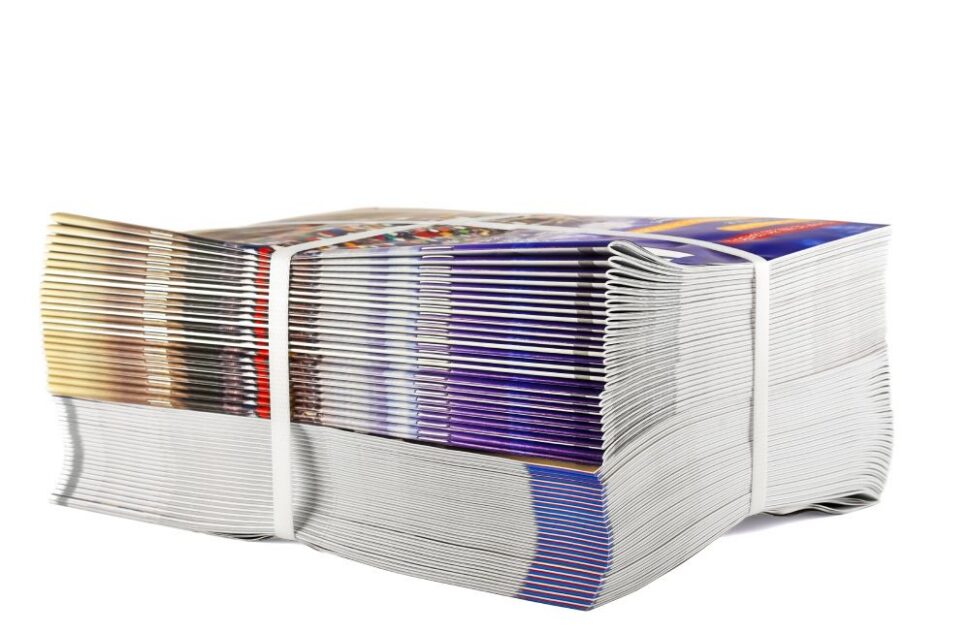
USPS Booklet Tabbing & Mailing Requirements
When booklets are mailed, United States Postal Service (USPS) regulations impact how they must be designed, bound, and finished.
USPS evaluates mail based on size, thickness, flexibility, weight, and how securely the piece stays closed during processing. These factors determine whether a booklet qualifies as machinable mail or requires additional handling and postage.
One of the most common requirements for booklet mailers is tabbing. Tabs help keep booklets closed as they move through high-speed postal equipment. In general, self-mailer booklets that are not enclosed in envelopes must be secured with tabs unless they meet specific exemptions.
The number and placement of tabs depend on the booklet’s size, thickness, binding method, and orientation. For most booklet mailers, USPS guidelines require two or more tabs placed along the open edge to prevent pages from opening during processing. Tabs must be placed within approved distance ranges from the top and bottom edges and must be made from USPS-approved materials. Clear tabs are commonly used, but paper tabs are also acceptable when properly applied. Tabs must be strong enough to hold the piece closed while still allowing it to be opened by the recipient.
Binding and paper choice also affect mailability. Saddle stitched booklets generally mail more easily than perfect bound pieces because they are more flexible. Thicker booklets, heavier paper stocks, and rigid bindings may require additional tabs or may be classified as non-machinable, which increases postage costs.
Common Booklet Printing & Bindery Mistakes to Avoid
Even thoughtfully designed booklets can run into problems when key production decisions are made too late or in isolation. Many issues only surface once a project reaches the bindery or mailing stage, when changes become more difficult and costly. Understanding the most common mistakes ahead of time helps keep projects on track and leads to better outcomes.
Choosing a Binding Method Too Early
One of the most frequent booklet bindery mistakes is locking in a binding method before finalizing page count, paper weight, and layout. Certain bindings have strict requirements, such as saddle stitching needing page counts in multiples of four or perfect binding requiring enough thickness to support a spine.
To avoid this issue, binding decisions should happen alongside layout and material planning. Reviewing page count and paper specifications first makes it easier to select a binding method that fits the project without last minute compromises.
Overlooking Paper & Material Compatibility
Paper choice has a direct impact on how a booklet folds, binds, and holds up over time. Stocks that are too thick, too rigid, or poorly matched to the binding method can lead to cracking, alignment issues, or weak spines.
Working through material options early helps balance appearance, durability, and functionality. Considering how the booklet will be handled and whether it will be mailed provides useful guidance when selecting paper and finishes.
Ignoring Mailing Requirements Until the End
Mailing considerations are often treated as an afterthought, yet they influence binding, paper flexibility, thickness, and closure. Designs that do not account for USPS requirements may require additional tabbing, reclassification, or redesign.
Planning for mailing from the beginning allows design and production decisions to align with postal guidelines. It also reduces the risk of delays, rejected mail, or unexpected postage costs.
Underestimating Finishing Needs
Finishing steps such as scoring, perforating, numbering, or laminating are sometimes added late in the process. When these details are not planned in advance, they can disrupt timelines or affect quality.
Identifying finishing requirements early helps integrate them smoothly into production and supports both usability and durability in the final booklet.
How to Choose the Right Booklet Binding for Your Project
Choosing a booklet binding is an important process. Follow these steps to choose a booklet binding or stitching method for your next project.
Define Page Count & Layout Requirements
Start by confirming the final page count and layout structure, as these elements influence nearly every bindery decision. Certain booklet binding methods have specific requirements around page multiples or spine thickness, and margins often need to account for folds, stitches, or glued edges. Addressing page count and layout early helps prevent redesigns and keeps binding options open rather than limited.
Determine Mailing vs. Non-Mailing Needs
Whether a booklet will be mailed or handed out has a significant impact on binding, paper selection, and finishing details. Mailing introduces requirements around flexibility, thickness, closure, and tabbing, while hand distributed pieces allow for more freedom in structure and materials. Making this decision upfront helps align design and production with distribution goals.
Set Budget Parameters
Budget considerations shape choices around binding methods, materials, quantities, and finishing options. Some bindings are more cost-effective for short runs, while others make sense for higher volumes or longer lasting pieces. Determining your budget range early allows for thoughtful tradeoffs that balance appearance, durability, and cost.
Select Materials & Finishes
Paper stock, cover weight, coatings, and finishing treatments all influence how a booklet looks, feels, and holds up over time. Materials should be selected with both function and presentation in mind, taking into account handling frequency, mailing needs, and overall brand impression. Coordinating material choices with binding methods helps avoid performance issues later.
Clarify Purpose & End Use
How a booklet will be used should guide every production decision. Marketing pieces, training manuals, reference guides, and event materials all place different demands on durability and usability. Thinking through how often the booklet will be handled, stored, or referenced helps narrow binding and finishing options that make sense for the intended audience.
Work with an Experienced Printing Partner
An experienced printing partner brings perspective that goes beyond equipment and pricing. The best printing partner brings real-world production knowledge, helps identify potential challenges early, recommends appropriate binding solutions, and coordinates printing, bindery, and mailing as a unified process. Overall, working with a single, knowledgeable printing partner reduces complexity and leads to more consistent, reliable results.
Booklet Printing, Binding, & Stitching: FAQs
What Does Bindery Mean in Printing?
In printing, bindery refers to the stage where printed sheets are finished and assembled into a final product. It includes processes like cutting, folding, stitching or binding, and adding finishing elements such as scoring or perforation. The binding is where individual pages become a usable booklet, manual, or publication.
How Does Bindery Work?
Bindery work happens after printing and follows a series of coordinated steps. Printed sheets are trimmed to size, folded into the correct order, secured using a binding method such as stitching or gluing, and then finished based on the project’s needs. Each step depends on decisions made earlier around layout, paper, binding type, and whether the piece will be mailed or distributed by hand.
What Is the Difference Between Binding & Stitching?
Stitching is a specific type of binding that uses wire staples or thread to hold pages together, usually along a folded spine. Binding is a broader term that includes stitching as well as methods like perfect binding, coil binding, sewing, or mechanical systems. All stitching is binding, but not all binding involves stitching.
How Do I Know Which Binding Method Is Right for My Booklet?
The right binding method depends on several factors, including page count, paper thickness, how the booklet will be used, and whether it will be mailed. Thinner booklets often work well with saddle stitching, while thicker or more permanent pieces may require perfect binding or sewing. Thinking about function and durability early helps narrow the options.
Can All Booklets Be Mailed Without Envelopes?
Not all booklets qualify as self-mailers. Mailing without an envelope depends on factors like thickness, flexibility, binding method, and whether the booklet can stay closed during postal processing. Many booklets require tabs or other preparation to meet USPS guidelines, and some bindings are better suited for mailing than others.
Why Does Page Count Matter So Much in Booklet Printing?
Page count affects layout, binding options, spine thickness, and overall production feasibility. Certain binding methods have strict requirements, such as saddle stitching needing page counts in multiples of four. Finalizing page count early helps avoid redesigns and production delays.
When Should Bindery Decisions Be Made in the Process?
Bindery decisions should be made early, ideally during the design and planning phase. Binding, paper choice, finishing, and mailing all influence each other, and waiting until after printing can limit options or increase costs. Early planning leads to smoother production and better results.

Contact the Booklet Bindery Experts at United GMG
Booklet printing and binding involve more than choosing paper and staples. From page count planning and binding selection to finishing and mailing compliance, each decision plays a role in the final outcome.
At United GMG, we are a one-stop shop for all your booklet printing needs. Our team combines printing expertise, advanced bindery capabilities, and mailing knowledge to support booklet projects of all sizes and complexities. Whether you are producing marketing materials, instructional guides, or direct mail campaigns, we’re here to help bring your booklet to life with our high-quality print machines.
Contact us today to get a free quote and talk with a printing specialist about your next booklet project.

About the author
Bella Ortloff
Continue reading

Higher Education Direct Mail: Strategies, Benefits, & Campaign Ideas
Higher education institutions are competing for attention across crowded inboxes, social feeds, search results, and ad platforms. One effective way to grab…

Sample Fundraising Letters for Schools: Print Strategies That Drive Donations
Fundraising plays a major role in helping schools provide better experiences for students. Whether the goal is new classroom technology, updated playground…
Custom Direct Mail for Private Schools: Tips for Marketing to Parents & Guardians
In a world of emails and social posts, private schools face a unique challenge: how to stand out from the crowd while…
