Custom Box Guide: Materials, Types, Styles, & Examples
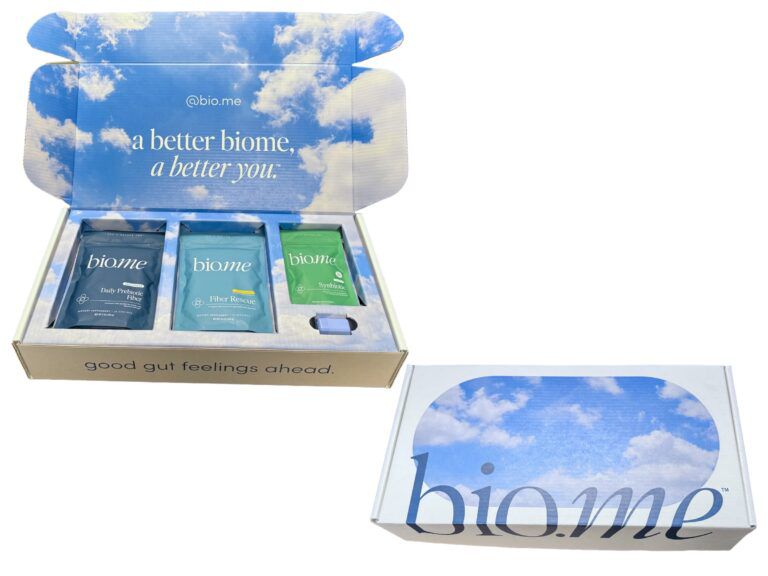
Walk through any warehouse, retail store, or shipping facility and you will quickly notice one thing: boxes are everywhere. Nearly every product that moves through the supply chain relies on packaging to protect it, transport it, and present it to the next person who handles it.
However, despite how common boxes are, the design behind them is far from simple. The type of box used can influence shipping costs, product protection, storage efficiency, and how a brand is perceived by customers. A poorly chosen box may lead to damaged products, wasted space, or packaging that fails to reflect the quality of what is inside. A well-designed box, on the other hand, supports logistics while reinforcing the brand’s professionalism and attention to detail.
From simple shipping containers to highly designed retail packaging, there are many options available. Understanding common box materials, structural styles, and packaging formats makes it easier to select the right solution.
This guide explores the most common types of custom boxes, popular box styles such as RSC and roll end designs, and the materials frequently used in packaging production. It also covers how to choose the right box for shipping, retail display, or premium presentation, along with practical tips for designing effective custom packaging.
What Are Custom Boxes?
Custom boxes are packaging solutions designed specifically for a product, brand, or shipping need. Unlike standard boxes that come in limited sizes and styles, custom boxes are created with precise dimensions, structural features, materials, and printing tailored to the product they hold.
Instead of adapting a product to fit a generic box, custom packaging allows businesses to build the box around the product itself. This approach improves product protection, reduces wasted space, and opens the door for branding opportunities that standard packaging rarely offers.
Custom packaging is used across a wide range of industries. Retail companies use printed cartons to showcase products on shelves. E-commerce brands rely on sturdy mailers to protect items in transit. Manufacturers and distributors often require heavy-duty shipping containers to move equipment or components safely. Luxury brands may choose rigid presentation boxes that enhance the perceived value of their products.
Because every product has unique packaging needs, custom boxes can be engineered to meet very specific requirements. Structural features, inserts, printing methods, and finishing options all contribute to the final packaging solution.
5 Benefits of Custom Boxes & Packaging
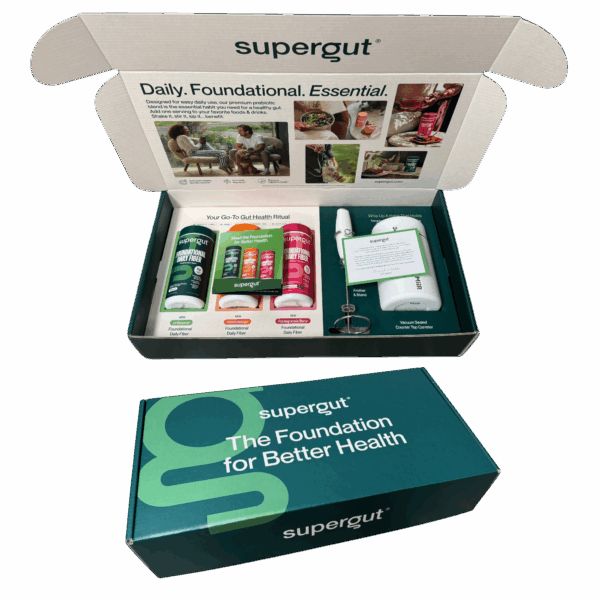
Custom packaging can protect items during shipping, strengthen brand recognition, improve operational efficiency, and even shape how customers perceive the value of what they receive. The advantages extend across logistics, marketing, and customer experience, which is why many businesses invest in packaging that is tailored to their products and brand.
1. Stronger Product Protection
A custom box fits the product it holds. That means less movement inside the package and less risk of damage during transportation or handling. When packaging dimensions match the product closely, protective inserts or cushioning materials can be placed exactly where they are needed.
Corrugated materials, reinforced flaps, and full overlap designs provide additional durability for heavier or fragile items. Structural engineering can also account for stacking pressure, vibration during shipping, and repeated handling across the supply chain. The result is packaging that helps products arrive intact while reducing costly returns, replacements, and customer complaints.
2. Brand Visibility & Recognition
Packaging often serves as the first physical interaction customers have with a brand. Custom printing transforms a simple box into a brand communication tool that travels wherever the product goes.
Logos, colors, graphics, and messaging can all be incorporated into the packaging design. Consistent branding across packaging helps customers quickly recognize a company’s products and reinforces a professional image. Branded packaging can even turn shipments into subtle marketing opportunities as packages move through delivery networks and arrive at customers’ homes or offices.
3. Better Customer Experience
Thoughtful packaging contributes to a memorable unboxing experience. When customers open a box that feels well designed and carefully produced, it reinforces the perception that the product inside has received the same level of care.
Simple details such as custom inserts, printed interior panels, or well-designed opening mechanisms can make packaging more enjoyable to interact with.
For e-commerce brands, influencer kits, or product launches, packaging can even become part of the marketing strategy. A visually appealing box often encourages customers to share their experience on social media, extending the brand’s reach organically.
4. More Efficient Shipping & Storage
Boxes designed specifically for a product help reduce wasted space in shipping containers and warehouses. Smaller, better fitting boxes often lower shipping costs because carriers frequently calculate pricing based on dimensional weight.
Efficient packaging can also simplify warehouse operations. Products that fit securely inside their packaging stack more easily on pallets, store more neatly on shelves, and require less filler material during packing. Over time, these efficiencies can reduce packing time, material usage, and shipping expenses.
5. Sustainability Opportunities
Custom packaging can also support sustainability initiatives. Boxes designed with precise dimensions may require fewer raw materials compared to oversized generic packaging. Reducing excess space inside a box also decreases the amount of filler material required.
Many custom packaging solutions rely on recyclable materials such as paperboard or corrugated cardboard. Businesses can also explore packaging designs that use fewer components, lighter materials, or responsibly sourced paper products. These choices help companies reduce packaging waste while still protecting their products throughout the supply chain.
Common Types of Packaging Boxes
Custom packaging boxes come in many forms, each designed for a specific purpose. Here is an overview of several widely used custom box types along with their primary characteristics and typical use cases.
| Box Type | Description | Common Uses |
| Mailing Boxes | Durable die cut boxes designed for e-commerce shipping. They often feature interlocking flaps that allow the box to close securely without excessive tape. | Subscription boxes, clothing shipments, cosmetics kits, promotional packages, curated product bundles |
| Shipping Boxes | Heavy duty corrugated boxes built primarily for protection during transportation and storage. These boxes focus on structural strength and stackability. | Wholesale shipments, industrial components, electronics, bulk product distribution |
| Folding Cartons | Lightweight paperboard boxes that are printed, die cut, and folded into shape. They are commonly used when retail presentation and branding are important. | Cosmetics packaging, pharmaceutical products, small electronics, packaged consumer goods |
| Rigid Setup Boxes | Thick, sturdy boxes that maintain their shape and offer a premium presentation. These boxes are often wrapped in printed or decorative paper and paired with custom inserts. | Luxury goods, jewelry packaging, electronics packaging, premium gift boxes |
| Product Boxes | Custom sized boxes designed to hold a specific product securely while displaying branding and product information. They may include inserts or display windows. | Retail merchandise, branded goods, promotional products |
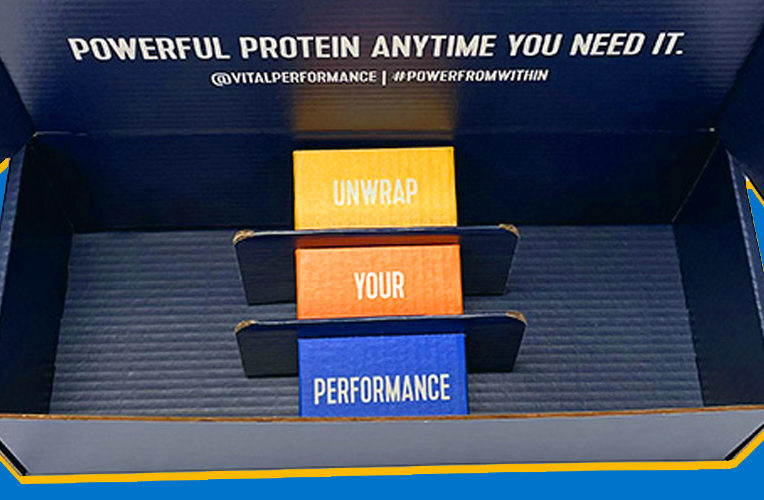
| Influencer Boxes | Packaging designed to create a memorable unboxing experience with high visual impact. They often incorporate layered inserts, specialty printing, and premium finishes. | Product launches, PR kits, influencer campaigns, brand collaborations |
| Prototype Boxes | Short-run packaging created for testing structural design, product fit, and printing quality before moving into full production. | Packaging testing, new product launches, packaging redesign projects |
Custom Packaging Box Styles
While box types describe the overall purpose of the packaging, box styles refer to the structural design of the box itself.
The way a box folds, closes, and supports weight plays a major role in how well it protects products and how easy it is to assemble, stack, or display. Different styles are engineered for different packaging needs. Some are built for shipping strength, others for retail presentation, and some for products with unusual shapes or dimensions.
Reviewing these common box styles can help businesses choose packaging that performs well throughout storage, shipping, and customer handling.
RSC (Regular Slotted Container)
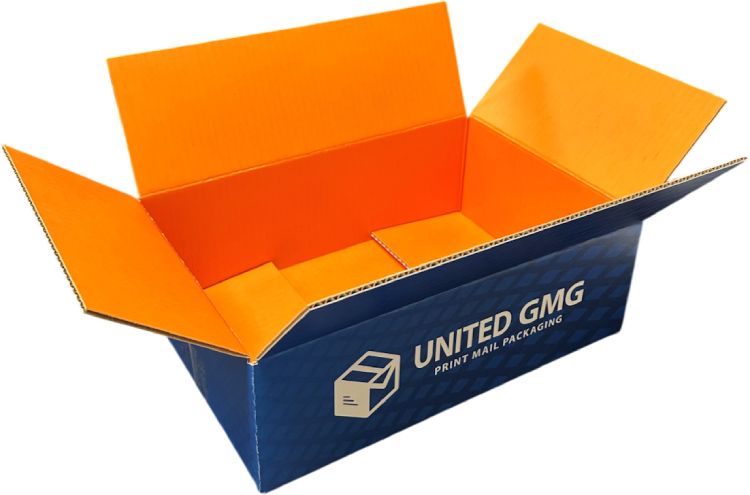
The regular slotted container, commonly called an RSC box, is one of the most widely used packaging styles in shipping and logistics. All four flaps on the top and bottom of the box are the same length, meeting in the center when the box is closed and sealed with tape.
This design creates a strong, efficient shipping container that is easy to manufacture and assemble.
Because of its simple structure and reliable performance, RSC boxes are frequently used for shipping products, warehouse storage, and bulk transportation. Many standard shipping cartons used in distribution centers follow this design.
HSC (Half Slotted Container)
Half slotted containers are structurally similar to RSC boxes but only include flaps on one side of the box. The opposite side remains open, which allows products to be loaded from the top. In many cases, an HSC box is paired with a separate lid or cover.
This design is useful for storage applications, parts bins, or situations where products need to be accessed frequently without completely disassembling the packaging.
FOL (Full Overlap Slotted Container)
Full overlap slotted containers feature flaps that completely overlap when the box is closed. Instead of meeting in the center like an RSC box, the flaps extend across the full width of the box. This design creates a double layer of corrugated material on the top and bottom surfaces, providing additional strength and durability. As a result, FOL boxes are often used for heavier products, fragile items, or shipments that may experience rough handling during transportation.
REFT (Roll-End Front-Tuck)
Roll-end front-tuck boxes are designed with reinforced side panels that roll inward during assembly, creating thicker side walls and added structural support. The front flap then tucks into the box to secure the closure.
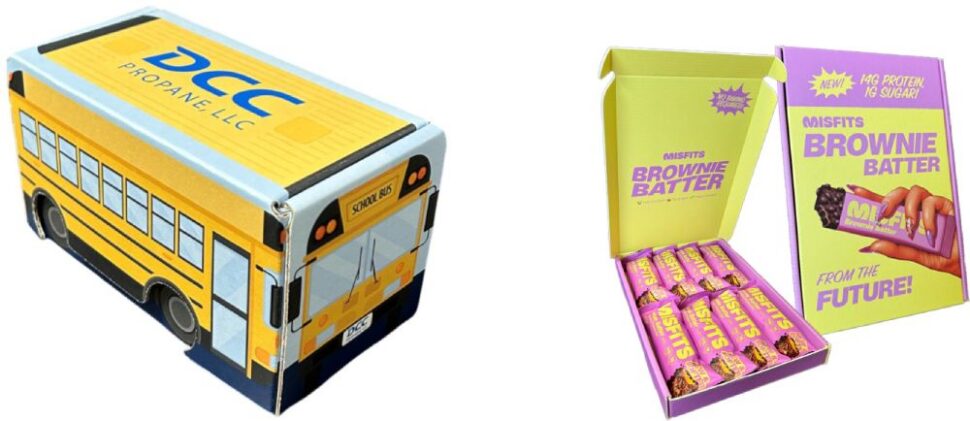
Visually, this style creates a clean and sturdy rectangular box with a smooth front panel that can display branding. Because of the reinforced sides and easy opening mechanism, REFT boxes are often used for subscription boxes, product kits, electronics packaging, and branded shipping boxes for e-commerce companies.
RETT (Roll-End Tuck-Top)
Roll-end tuck-top boxes share many characteristics with REFT boxes, including the rolled side panels that strengthen the structure. However, instead of a front tuck panel, the main closure flap folds down from the top and tucks into the front panel. This style creates a sleek opening experience that works well for retail products and presentation packaging.
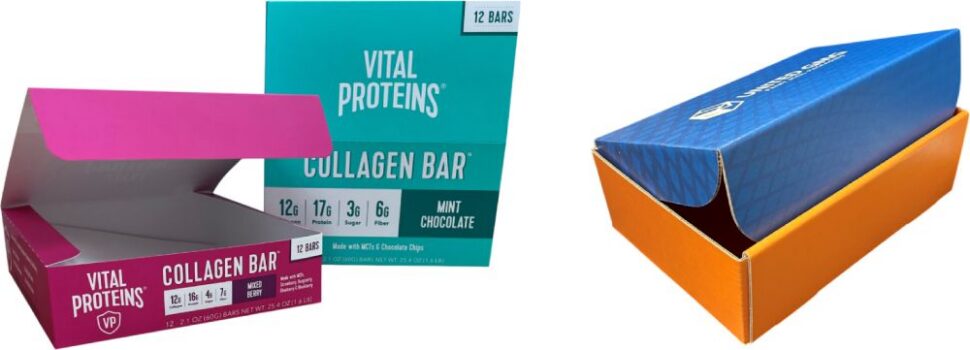
RETT boxes are commonly used for cosmetics, consumer electronics, promotional kits, and gift packaging where both protection and presentation matter.
Telescope Boxes
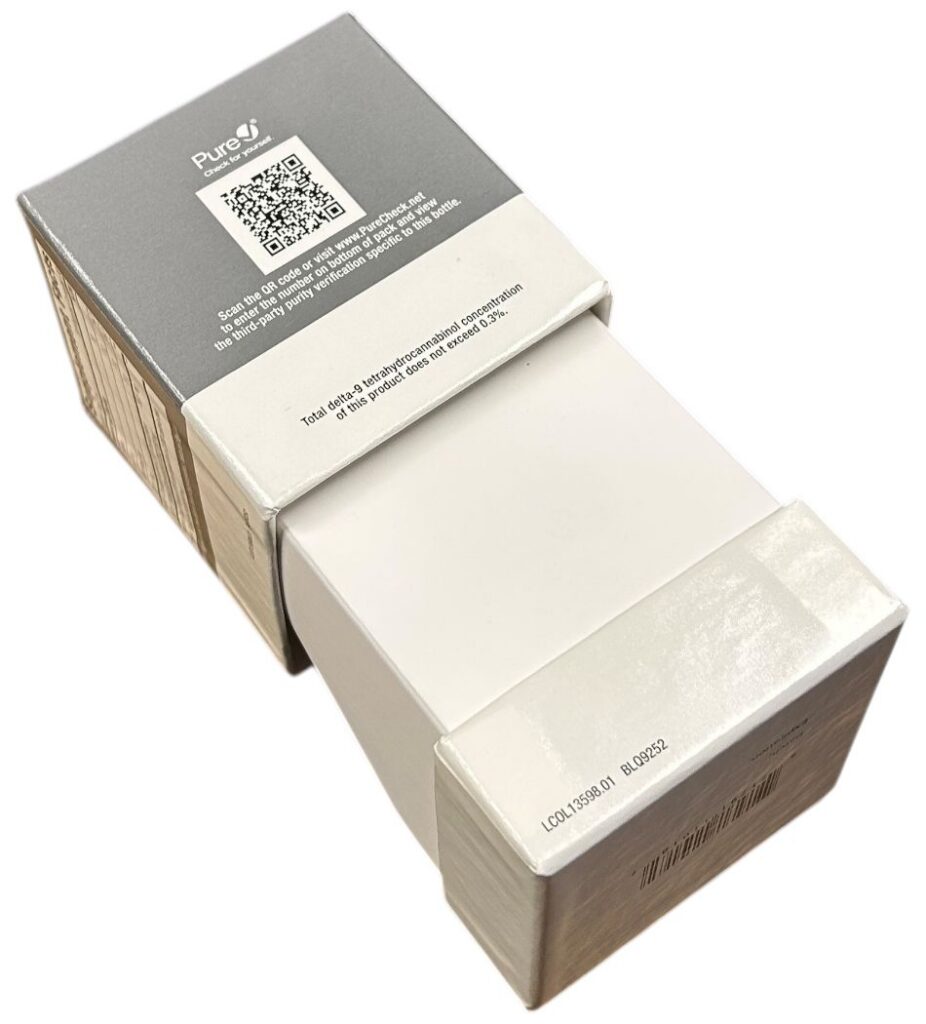
Telescope boxes consist of two separate pieces that fit together. The base holds the product while the lid slides over the top, partially or fully covering the lower portion of the box.
This style is often associated with premium presentation packaging, gift boxes, and large product packaging. Because the lid and base are separate pieces, telescope boxes can also accommodate taller products or items that require easier loading.
OPF (One Piece Folder)
One piece folder boxes are made from a single sheet of corrugated material that folds around the product. Once assembled, the box wraps tightly around the item and is typically secured with tape or adhesive.
These boxes are especially useful for flat or narrow products such as books, framed prints, mirrors, or flat electronics. The snug fit helps limit product movement while using minimal material.
FPF (Five Panel Folder)
Five panel folders resemble one piece folder boxes but include an additional panel that wraps around the side of the product. This extra panel creates an additional layer of protection along one edge.
The design works particularly well for long or narrow products such as furniture components, metal parts, picture frames, and rolled materials. The additional panel helps protect edges and corners that might otherwise be vulnerable during shipping.
Packaging Box Material Options
The material used to create a box plays a major role in how the packaging performs. Strength, weight, print quality, and cost are all influenced by the type of material selected. It’s important to choose an option that matches the product’s protection needs, branding goals, and distribution environment.
Paperboard
Paperboard is one of the most widely used materials in retail packaging. It’s lightweight, smooth, and highly printable, which makes it ideal for packaging that relies on strong visual design. Because the surface accepts high-quality printing, brands can display detailed graphics, product information, and vibrant colors directly on the packaging. Paperboard is commonly used for folding cartons in industries such as cosmetics, pharmaceuticals, food products, and small consumer goods where presentation and shelf appeal are important.
Thick Paperboard
Thick paperboard offers greater rigidity than standard paperboard while maintaining a smooth printable surface. The added thickness provides more structural stability, allowing the box to hold its shape more effectively during handling and display. This material is frequently used for premium retail packaging where both appearance and durability matter, such as electronics packaging, specialty consumer goods, and higher end product boxes. It provides a balance between visual presentation and structural strength without the heavier construction of corrugated materials.
Corrugated Cardboard
Corrugated cardboard is designed for strength and product protection. It consists of a fluted inner layer sandwiched between two liner boards, creating a structure that absorbs shock and supports weight during shipping and storage. This layered construction makes corrugated packaging highly durable while remaining relatively lightweight. Corrugated materials are commonly used for shipping cartons, mailing boxes, and protective packaging for fragile or heavy items. Different flute sizes and board combinations allow manufacturers to adjust the level of cushioning and strength depending on the product being shipped.
Printing & Finishing Options for Custom Boxes & Packaging
Printing and finishing choices play a major role in how custom packaging looks, feels, and performs. The structure of the box protects the product, but printing and finishing are what bring the packaging to life visually.
From bold graphics and brand colors to tactile finishes and specialty accents, these techniques allow businesses to turn a simple box into a powerful brand presentation tool.
Printing Methods
The printing method used for custom packaging often depends on production volume, material type, and the complexity of the design.
For smaller runs or prototype packaging, digital printing is a popular choice because it allows designs to be produced quickly without extensive setup. This flexibility makes it useful for testing packaging concepts or producing limited campaigns. When production volumes increase, many manufacturers turn to offset printing. Offset presses produce sharp images and highly consistent colors, which makes them well suited for packaging that relies on precise brand colors or detailed graphics.
Corrugated shipping boxes often use flexographic printing instead. Flexography is designed for speed and efficiency, allowing logos, product information, and basic graphics to be printed directly onto corrugated materials at high volumes.
Surface Finishes
Once the design is printed, surface finishes can change both the appearance and the feel of the packaging. A gloss coating, for example, creates a shiny surface that enhances color intensity and helps bold graphics stand out. Matte coatings take the opposite approach, softening reflections and giving the packaging a more understated and modern look.
Some brands go a step further by adding soft touch coatings, which create a smooth, velvety texture when the box is handled. These finishes are often used in premium packaging because they add a subtle sensory element to the unboxing experience while also protecting the printed surface from light scuffs and wear.
Specialty Enhancements
Beyond standard finishes, specialty enhancements allow certain elements of the packaging design to stand out visually.
Foil stamping is one of the most recognizable techniques. By applying metallic foil to specific areas of the box, designers can highlight logos, borders, or decorative elements with reflective gold, silver, or colored finishes. Embossing and debossing create a different kind of visual effect by altering the surface of the material itself. Embossing raises parts of the design above the surface, while debossing presses them inward. Both techniques introduce texture and depth, making packaging graphics more tactile.
Spot UV coatings offer another option by applying a glossy layer to selected parts of the design, creating contrast against a matte background.
Structural Add-Ons
In addition to printing and finishes, structural enhancements can improve both the functionality and presentation of a custom box.
Inserts are commonly used to keep products securely positioned inside the packaging. Depending on the product, these inserts may be made from paperboard, molded pulp, or foam, each designed to prevent movement during shipping.
Other structural elements focus more on presentation. Die cut windows allow customers to see the product before opening the package, which can be especially useful for retail displays. Specialty closures, such as magnetic flaps or ribbon pulls, can also elevate the experience of opening the box while adding a distinctive touch to the overall design.
How to Select Type, Style, & Material for Custom Boxes
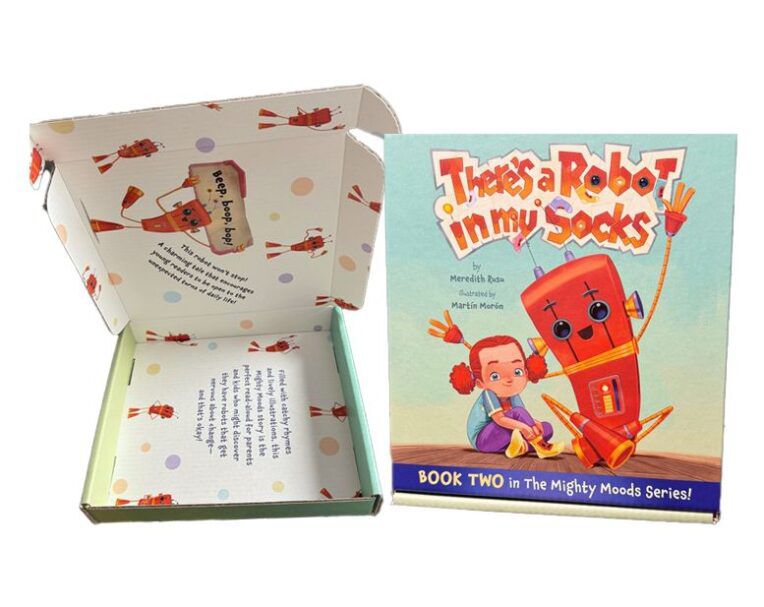
Follow these steps to evaluate packaging needs and narrow down the right box type, structural style, and material for a specific product.
Step 1: Start With the Product’s Size, Weight, & Fragility
Every packaging decision begins with the product itself. The dimensions, weight, and fragility of the item determine how strong the packaging needs to be and how much internal protection may be required.
Fragile or heavy products typically require stronger materials such as corrugated cardboard along with reinforced box styles. Designs like RSC boxes or full overlap containers can provide the structural support needed for transportation. In some cases, internal inserts made from paperboard, foam, or molded pulp may also be necessary to prevent movement inside the box. Carefully measuring the product and accounting for protective materials helps create packaging that fits properly and performs reliably during shipping.
Step 2: Consider How the Product Will Be Shipped or Distributed
The distribution process has a major influence on packaging design. Products that move through long shipping routes, multiple handling points, or warehouse storage environments require packaging that prioritizes durability and stacking strength.
Corrugated shipping boxes are often the best option for these scenarios because they provide cushioning and structural support. If the product will be shipped individually to customers, die cut mailing boxes or roll end designs may offer a good balance between protection and presentation. For bulk shipments between manufacturers, distributors, or retailers, traditional shipping cartons such as RSC boxes are often the most practical and cost effective solution.
Step 3: Think About Retail Presentation & Customer Experience
Not all packaging is designed primarily for shipping. Products sold in stores or delivered directly to customers often benefit from packaging that emphasizes visual appeal and brand presentation.
Folding cartons made from paperboard are widely used for retail shelves because they support high-quality printing and clear product messaging.
Brands that want to create a more memorable unboxing experience may choose roll-end boxes, rigid setup boxes, or packaging with specialty finishes such as embossing or foil stamping. These design choices help packaging feel more intentional and aligned with the perceived value of the product.
Step 4: Evaluate Material Options & Sustainability Goals
Material selection affects both performance and environmental impact. Paperboard works well for lightweight retail packaging that prioritizes graphics and shelf appeal, while corrugated cardboard offers greater strength for shipping and protective packaging.
Many companies also consider sustainability when choosing packaging materials. Recyclable paper based materials, efficient box sizing, and reduced packaging components can help lower overall material usage. Choosing packaging that matches the product closely also reduces the need for excess filler material during shipping.
Step 5: Work With an Experienced Packaging Partner to Refine the Design
Once the general box type, style, and material are identified, the next step is refining the structural and visual design. Packaging specialists can help optimize dimensions, recommend structural improvements, and guide decisions around printing and finishing techniques.
Many businesses also produce prototype boxes before full production begins. Testing packaging in this way allows companies to evaluate product fit, assembly efficiency, and visual presentation before committing to larger production runs. This collaborative approach often leads to packaging that performs better operationally while also presenting the brand more effectively.
Tips for Designing Custom Packaging & Boxes
Effective packaging blends structural design, branding, and practical logistics considerations. When these elements are planned together, the result is packaging that protects the product, communicates brand identity, and performs efficiently throughout storage, shipping, and customer handling.
These tips can help businesses approach packaging design more strategically.
Start With the Product
Successful packaging design always begins with the product itself. Understanding the product’s dimensions, weight, fragility, and shape provides the foundation for every other packaging decision.
Accurate measurements help determine the correct box size, the strength of the material required, and whether protective inserts may be needed. Additionally, products with delicate surfaces or multiple components may benefit from custom inserts that keep everything securely positioned inside the box.
By designing the packaging around the product rather than trying to adapt the product to a generic container, businesses can create packaging that reduces damage risk while also minimizing excess materials.
Consider the Customer Experience
Packaging is often the first physical interaction a customer has with a product, which means the design of the box can influence how the brand is perceived. The way a package opens, the layout of the interior, and the printed messaging inside the box can all shape the unboxing experience.
Thoughtful design details such as custom inserts, printed interior panels, or simple opening mechanisms can make the packaging feel intentional and well crafted. For e-commerce companies, influencer kits, and product launches, this experience can even become part of the brand’s marketing strategy as customers share their unboxing moments online.
Balance Design & Function
While visual design plays an important role, packaging must also perform its primary job of protecting the product. Structural strength, material durability, and proper internal support are all critical considerations. A visually impressive box loses its value if the product arrives damaged.
Designers often balance these factors by selecting materials that support both aesthetics and protection, such as combining printed paperboard exteriors with protective inserts or reinforced corrugated structures.
When design and function work together, packaging becomes both attractive and dependable.
Plan for Production & Logistics
Packaging design should also account for the realities of manufacturing, packing, and shipping. Boxes that are overly complex to assemble can slow down packing operations, while inefficient box sizes can increase shipping costs or reduce warehouse storage efficiency. Considering production methods, printing techniques, and assembly requirements early in the design process helps prevent these issues.
Working with experienced packaging specialists can provide valuable insight into structural optimization, material selection, and production efficiency, helping businesses create packaging that works smoothly from the production line to the customer’s doorstep.
Custom Boxes & Packaging FAQs
What Are the Most Common Types of Packaging Boxes?
Several packaging box types are widely used across industries. Some of the most common include shipping boxes, mailing boxes, folding cartons, rigid setup boxes, and product boxes. Shipping boxes and mailing boxes are typically made from corrugated cardboard for durability, while folding cartons are often made from paperboard for retail display. Each type serves a different purpose depending on how the product will be stored, shipped, or presented.
What Is an RSC Box?
An RSC box, or regular slotted container, is one of the most common shipping box styles used in logistics and distribution. All four flaps on the top and bottom of the box are the same length and meet in the center when closed. RSC boxes are widely used because they are strong, cost effective, and easy to manufacture and assemble, making them ideal for shipping, warehouse storage, and bulk transportation.
What Is the Difference Between REFT & RETT Boxes?
REFT boxes (roll-end front-tuck) and RETT boxes (roll-end tuck-top) are similar structural designs featuring reinforced side panels that roll inward during assembly. The main difference is how the box closes. A REFT box closes with a front-tuck panel that inserts into the front of the box, while a RETT box has a top flap that folds downward and tucks into the front panel. Both styles are commonly used for e-commerce packaging, subscription boxes, and product presentation packaging.
What Materials Are Commonly Used for Custom Boxes?
The most common packaging box materials include paperboard, thick paperboard, and corrugated cardboard. Paperboard is lightweight and highly printable, making it ideal for retail packaging such as folding cartons. Thick paperboard offers additional rigidity for premium packaging. Corrugated cardboard is designed for strength and cushioning, which makes it the preferred choice for shipping boxes and protective packaging.
How Do I Choose the Right Box Type for My Product?
Choosing the right box type depends on several factors including the product’s size, weight, fragility, and how it will be distributed. Products that will be shipped long distances typically require corrugated packaging for durability, while retail products may benefit from paperboard folding cartons that support high-quality printing. Many businesses also test prototype boxes to evaluate fit, protection, and presentation before moving into full production.
Why Do Companies Create Prototype Boxes Before Production?
Prototype boxes allow companies to test packaging before committing to large production runs. By producing a sample box first, businesses can evaluate the structural design, check product fit, review print quality, and assess how the packaging performs during handling. This process helps identify improvements early and reduces the risk of costly changes later in the production process.
Create Custom Boxes & Packaging for Your Business with United GMG
Custom packaging offers businesses an opportunity to protect products, strengthen brand identity, and create a more engaging customer experience. From shipping durability to retail presentation and premium gifting, the right packaging solution depends on selecting the appropriate box style, material, and design features.
With a wide range of structural options, printing capabilities, and finishing techniques available, you can develop packaging that supports both operational needs and brand storytelling.
Ready to create a custom box for your business? We can help.
At United GMG, we work closely with businesses to design and produce custom boxes and packaging solutions tailored to their products, logistics requirements, and branding goals. Whether you are developing retail packaging, shipping boxes, or premium presentation packaging, our team helps turn packaging ideas into practical, high-quality solutions.
Contact us today to get a free quote or discuss your packaging needs, review design options, and develop a custom box solution that supports both your brand and your operations.

About the author
Bella Ortloff
Continue reading

Benefits of Custom Boxes for Your Brand & Business
First impressions matter. A LOT. It takes just 15 seconds to form an impression about someone we’ve just met—and less than three…
Unlock the Power of Custom Boxes for Your Business
Think custom boxes are too expensive and time consuming? Think again. As the ONLY marketing tool with a nearly 100 percent open…
Kitting 101: Kitting Boxes, Process, & Best Practices
Kitting is used in essentially every industry, from fast food to cosmetics—and it is one of the most popular techniques used in…
